
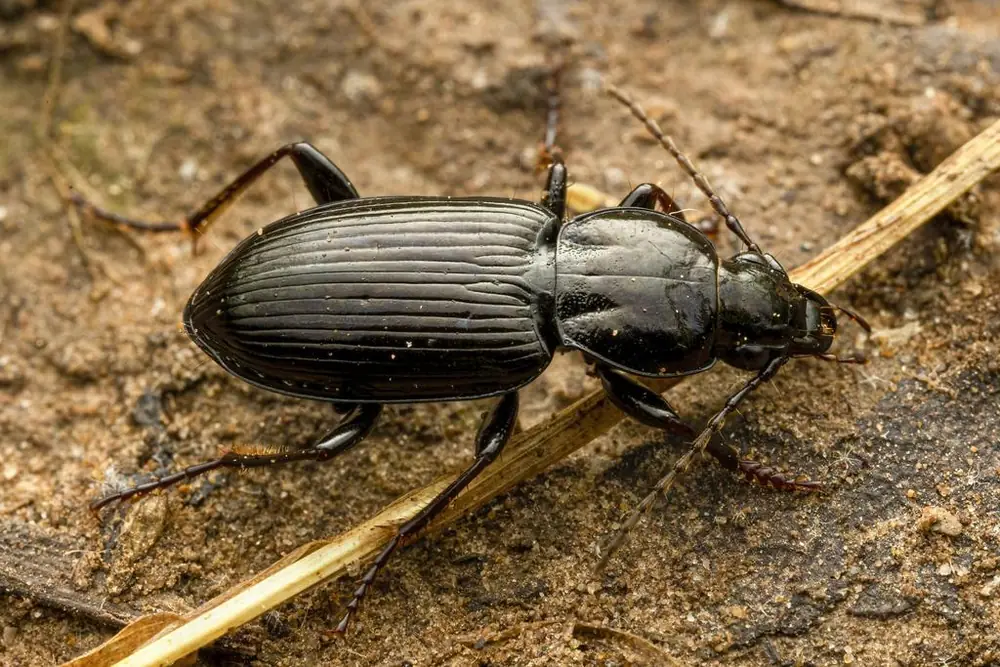
Insect control in Johannesburg starts with identifying exactly what you're dealing with, because a cockroach, an ant, a fishmoth and a flea each need a different method. We inspect, find where the insects breed and shelter, treat with the product and technique that suits that species, and show you what to change so they don't return.
Why identification matters so much
A general spray around the skirting boards is what most people expect, and it's the reason so many insect problems keep coming back. German cockroaches scatter from spray and are controlled far better with gel bait. Ants need bait that workers carry back to the nest. Bed bugs need treatment of the bed and room, fleas need the house, garden and pets done together, and fishmoths respond to dryness as much as to treatment. Get the insect wrong and you can spend money on a treatment that was never going to work.
The insects we deal with most in Johannesburg
Johannesburg's climate shapes its insect calendar. Summer rains bring flying termites, ants marching indoors, mosquitoes, flies and wasps. Warm kitchens keep cockroaches active all year, especially in flats and restaurants. Dry winters push harvester termites into lawns and leave fishmoths and booklice in damp cupboards and garages. Pets and shady lawns mean fleas through the warm months.
For practical purposes we group insects into three kinds of problem:
- Crawling insects: cockroaches, ants, fishmoths, carpet beetles and the like, which shelter in cracks and travel along edges. See crawling insect control.
- Flying insects: flies, mosquitoes, wasps and flying ants, where the fix is usually finding the breeding site. See flying insect control.
- Biting insects: bed bugs, fleas and mosquitoes, plus mites, where treating the host's environment is the key. See biting insect treatments.
How a visit works
- Talk first. Where have you seen them, when, how many, and has anything been tried? A photo on WhatsApp before we arrive helps.
- Inspect. We check the areas the insect is likely to use: kitchens and appliance motors for cockroaches, paving joints and skirtings for ants, beds and furniture seams for bed bugs, roof spaces and gutters for nests.
- Treat for that species. Gel baits, ant baits, odourless residual sprays, targeted nest treatment or a combination, applied where the insects actually live rather than everywhere.
- Explain prevention. Every visit ends with the two or three changes that make the biggest difference in your home or premises.
For normal insect treatments nobody needs to leave. Keep children and pets off treated surfaces until they're dry.
Homes, complexes and businesses
A single home is usually a one-visit job with a follow-up if the infestation is heavy. In complexes and blocks of flats, insects like German cockroaches and bed bugs move through shared plumbing and walls, so treating one unit often just pushes them next door. A coordinated treatment through the body corporate works far better. Restaurants, food factories, schools and offices are better served by a scheduled monitoring contract, with regular visits and a service record that stands up to an audit or a health inspection.
Signs worth calling about
Some insects are a nuisance you can live with for a while. Others get harder and more expensive to fix every week you wait. Call sooner rather than later if you see any of these:
- Cockroaches in the kitchen during the day, which usually means a large population hiding behind appliances
- Small itchy bites in a line, or tiny dark spots along mattress seams
- Mud tubes on a wall, or winged insects coming out of the floor or a door frame after rain
- Fine powder under small round holes in timber floors or furniture
- Ants returning every day along the same route, even after you've wiped the trail
Not sure which of these you're looking at? That's exactly what the first visit is for.
A common mistake
Mixing treatments. Spraying over gel bait, or hosing ant trails we've baited, undoes the work. Bait has to be eaten to be effective, and insects avoid surfaces that have just been sprayed with something else. After a treatment, give it the time we suggest before reaching for the supermarket can.
A Johannesburg tip
Most insect pressure in the city tracks the first summer rains in October or November. That's the best time to book a preventive treatment of the outside perimeter, before ants, cockroaches and flying insects start looking for a way in.
What it costs and why
Insect control is priced on which insect it is, the size of the property and how established the problem has become. A light cockroach or ant problem in a house is a modest job. Bed bugs, fleas through a whole house and garden, or a restaurant kitchen need more time and often a second visit. Commercial monitoring contracts are quoted on the size of the site and how often it's serviced. The guide prices on our price page show where each treatment starts. If a few ants on the counter can be fixed by moving the sugar, we'll say so.
Learn more
For background on how insect pests live and why they choose your home, read our insect control guide. For everything else we treat across the city, from rodents to termites, start at Johannesburg pest control.
Combat Pest Control is owned and operated by Jason van Heerden and is SAPCA registered and registered with the Department of Agriculture under Act 36 of 1947. With 25 years of experience, we offer service within 24 hours and a 3-month guarantee: if the treated insect comes back in that time, so do we. Call 084 200 2700, or WhatsApp us a photo of the insect.
Questions we get asked
How much does insect control cost?
It depends on the insect, the size of the property and how established the problem is. A light ant or cockroach problem in a house is a modest job; bed bugs, fleas or a commercial kitchen cost more. See the price guide for starting prices.
Can you tell me what an insect is from a photo?
Usually, yes. A clear close-up on WhatsApp is often enough to identify it and tell you whether it needs treatment at all.
Do I have to leave the house during treatment?
No. You can carry on at home during normal insect treatments; just keep little ones and animals away from sprayed areas until everything has dried. Only gas fumigation needs the area empty.
How long does an insect treatment last?
Residual treatments keep working for weeks, and our treatments carry a 3-month guarantee. How long you stay clear depends on the insect and on fixing what attracted it.
Are your products safe around children and pets?
Yes, when applied correctly. We use registered, odourless products, place baits where children and pets can't reach them, and tell you which surfaces to keep them off until dry.
How often should a restaurant have insect control?
Most food businesses need regular scheduled visits rather than a once-off spray, because new insects arrive with every delivery. We set the frequency with you and keep a record of each visit.
What should I do before you arrive?
Don't spray anything for a day or two beforehand, clear the areas where you've seen activity, and keep a sample or photo of the insect if you can.