
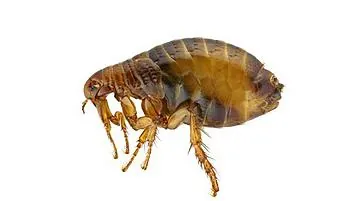
Flea control in Randburg works when the house, the garden and the pets are treated at the same time. Adult fleas on your dog or cat are only a small part of the population; the eggs, larvae and pupae live in carpets, bedding, couches and shady soil. We treat the home and garden while your vet's product treats the pets.
Why fleas take hold in Randburg homes
Randburg is dog country. Large, shady gardens in the older suburbs, complexes that allow pets, and parks and green belts where dogs are walked every day all give fleas a steady supply of hosts. Fleas breed fastest in warm, humid weather, so numbers build through the summer rains and peak in late summer. They don't disappear in winter, though: indoors, on carpets and in pet beds near a heater, the cycle carries on quietly.
We often get calls from people who have just moved into a house or a rented townhouse with no pets of their own. Flea pupae can sit dormant in carpets for weeks after the previous owner's dog has gone, and hatch all at once when they sense vibration and warmth from new occupants walking through the house.
The flea life cycle, and why it matters
An adult flea lives on the animal, feeds and lays eggs that fall off wherever the pet sleeps, lies or walks. The eggs hatch into tiny larvae that hide deep in carpet fibres, between floorboards, under cushions and in shaded soil, feeding on debris. They then spin a cocoon and become pupae, which are very resistant to treatment and can wait until a host comes past. That's why a single treatment of the pet, or a single spray of the lounge, rarely ends a flea problem.
Signs you have fleas
- Itchy red bites, usually around the ankles and lower legs
- Pets scratching, biting at their back or tail, or losing fur
- Black specks on pet bedding that turn reddish when pressed on damp paper; that's flea dirt
- Tiny dark insects jumping onto white socks when you walk across the carpet
How we treat fleas
- Inspection. We find out where the pets sleep, rest and spend their time inside and outside, because that's where most eggs and larvae are.
- Indoor treatment. A residual treatment of carpets, rugs, under furniture, along skirting and in pet resting areas. It's odourless and non-staining, and you don't need to move out.
- Garden treatment. Shaded areas under trees and decks, kennels, the patch next to the back door where the dog lies, and the strip along walls.
- Pets. On the same day, treat every dog and cat in the house with a product from your vet. We don't treat animals ourselves, but timing it together is essential.
- Follow-up if needed. Heavy infestations can need a second visit as remaining pupae hatch.
What to do on the day
Vacuum thoroughly just before we arrive, including under beds and couch cushions, and throw the vacuum bag or empty the canister outside. Wash pet bedding on a hot cycle. After the treatment, keep children and pets off treated floors until they've dried, then carry on vacuuming every day or two for a fortnight. Vacuuming triggers pupae to hatch into treated areas, which helps the treatment finish the job.
The common mistake
Treating only the dog. The pet looks better for a few days, then new fleas hatch from the carpet and the garden and jump straight back on. The opposite mistake happens too: someone books a house treatment but the pets aren't treated, so they carry fleas back in from the garden the same afternoon.
A Randburg tip
Rake up and remove leaf litter from the shady corners your dog likes in summer, especially under big old trees and decks. That moist, sheltered layer is where flea larvae do best outdoors. A sunny, open lawn is far less friendly to them.
What flea control costs, and why
The price depends on the size of the house, how much carpet there is, whether the garden is included, how many pets there are and how heavy the infestation has become. A flat with tiled floors is a smaller job than a family home with carpeted bedrooms, a big shady garden and three dogs. The guide "from" price on this page comes from our Johannesburg pest control prices. If you've caught it early, a good vet product for the pets and daily vacuuming may be enough on its own.
Where there are fleas there are often ticks, especially if your dog walks in long grass, so see tick control in Randburg too. Our flea control for Johannesburg page covers the wider service, and neighbouring Bryanston flea treatments follow the same approach. If you live in Fontainebleau, there's a local page for you, and the rest of our area is on Randburg pest control.
Combat Pest Control is owned and run by Jason van Heerden, with 25 years of pest control behind it. We're registered with SAPCA and the Department of Agriculture, offer service within 24 hours, and if fleas come back within 3 months of a treatment, we come back too. Call 084 200 2700 or WhatsApp us.
Questions we get asked
How much does flea treatment cost for a house?
It depends on the size of the home, how much carpet there is, whether we include the garden and how bad the infestation is. A tiled flat costs less than a carpeted family home with a big garden. We confirm the price when you book.
Is flea treatment safe for my pets?
Yes, once it's dry. Keep pets and children off treated floors until then. Your pets should be treated with a vet product on the same day as the house.
Why am I seeing more fleas after treatment?
For a week or two, pupae in the carpet keep hatching and the new fleas jump onto legs before they die. Keep vacuuming daily; it speeds up the process.
We don't have pets. Why do we have fleas?
Usually because the previous occupants did. Flea pupae can lie dormant in carpets for weeks and hatch when new people move in. Stray cats under the house or in the roof can also be the source.
Do I have to leave the house?
No. You can stay home during a flea treatment; just keep everyone off treated floors until they're dry.
How long does the treatment last?
A full treatment of the house, garden and pets usually breaks the cycle completely. It carries a 3-month guarantee, and keeping your pets on a regular vet product stops new fleas getting established.