
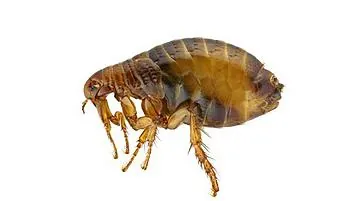
Flea control in Roodepoort works when the house, the garden and the pets are all treated within the same few days. We treat carpets, floors, furniture, pet bedding areas and shady parts of the garden with a residual product, while your vet handles the animals. Treating only one of the three is why fleas so often come back.
Why fleas thrive in Roodepoort gardens
This is a suburb of family homes, and most of them have at least one dog. Many have two or three, plus cats, on properties with lawns, shady beds and a spot under the stoep where the dogs like to lie. That's the perfect setting for fleas. Adult fleas live on the animal, but their eggs drop off wherever it rests, and the larvae develop in carpets, cracks between floorboards, pet beds, sand under decks and shady soil.
Warm, humid summer weather after the rains speeds up the whole life cycle, so numbers climb quickly from about November. In winter, fleas don't disappear; they keep breeding indoors, in warm carpets and dog beds.
Signs of a flea problem
- Pets scratching, biting at their back or tail, or losing fur in patches
- Small itchy bites on your ankles and lower legs
- Flea dirt: black specks in the pet's coat or bedding that turn reddish when dropped on wet paper
- Fleas jumping on white socks when you walk through a room or across the lawn
- A sudden burst of bites after you return from holiday, when hungry fleas hatch at once
The flea life cycle, and why one treatment isn't enough
Only a small part of any flea population is the adults you see. Most are eggs, larvae and pupae hidden in the environment. The pupae are the tricky stage: they sit inside a sticky cocoon that protects them from treatments and can wait for weeks until they sense warmth, vibration or carbon dioxide from a passing animal or person. That's why fleas can seem to appear out of nowhere in an empty house, and why a follow-up visit is sometimes needed after the first treatment.
How we treat fleas
We start by asking where the animals sleep, eat and spend their days, because that's where the flea load is highest. Inside, we treat carpets, rugs, floors along skirting boards, under furniture and around pet beds. Outside, we focus on shady lawn, the area under the stoep or deck, kennels, the dog run and any sandy spot where the pets lie. Our treatments are odourless and won't stain, and there's no need to move out. Keep pets and children off treated areas until they're dry, usually a few hours.
Your part is just as important. Arrange with your vet to treat every dog and cat in the household at the same time, wash pet bedding on a hot cycle, and vacuum the day before we come. After treatment, keep vacuuming every couple of days for two weeks; the vibration makes pupae hatch so the treatment can work on them.
The mistake that keeps fleas coming back
Treating the dog and nothing else. A good vet product kills fleas on the animal, but the eggs and pupae in the carpet and the garden keep hatching for weeks, so the dog picks up new fleas every day. The opposite mistake is just as common: spraying the house but leaving the pets untreated. All three must happen together.
A Roodepoort tip
Rake out and treat the dusty hollows where your dogs dig and lie in the garden, often under trees or along the boundary wall, and keep that area cut short and sunny if you can. Flea larvae hate dry, sunlit ground, and those shaded hollows are where most of the outdoor flea population lives.
Fleas or something else?
If you have bites but no pets, look elsewhere. Bed bugs, bird mites from nests in the roof, and mosquitoes all cause similar bites. And if your dogs come back from walks on the veld with small, swollen bumps that don't jump, those could be ticks: see our tick control service in Roodepoort.
What flea control costs, and why
The price depends on the size of the house, how many rooms are carpeted, the size of the garden and pet areas, and whether a follow-up visit is needed. A townhouse with a small garden and one dog is quicker than a large home with several dogs and a big lawn. If you've only seen a couple of fleas and the pets are already on a vet treatment, regular vacuuming may be enough. Look for the guide "from" price on this page, or browse our full list of pest control prices.
Nearby
Up on the slopes, see Florida Hills pest control. North of the ridge, we also do flea treatments in Randburg, and the main page on flea control throughout Johannesburg has more detail. For other pests locally, our Roodepoort overview covers the lot.
Flea season moves fast, so it pays to book early. Combat Pest Control is owned and operated by Jason van Heerden, who has 25 years in the industry. We are SAPCA registered, are registered with the Department of Agriculture in terms of Act 36 of 1947, and offer service within 24 hours, with a 3-month guarantee on flea work. Phone 084 200 2700, or WhatsApp if you want to check something first.
Questions we get asked
How much does flea treatment cost?
It depends on the size of the house and garden, how many rooms have carpets, and whether a follow-up visit is needed. A townhouse with one dog costs less than a large property with several pets.
Do I need to treat my pets as well?
Yes. Your vet should treat every dog and cat in the household at the same time as we treat the house and garden, or the fleas come straight back.
How long before the fleas are gone?
Most homes see a big drop within days, but it can take two to three weeks for all the pupae to hatch and die. Keep vacuuming every couple of days during that time.
Is flea treatment safe for my pets and children?
Yes, once it's dry. Keep pets and children off treated areas for a few hours until surfaces have dried.
Why are there fleas in a house with no pets?
Fleas can survive as pupae in carpets for weeks after a previous owner's pets left, or be brought in by visiting animals, stray cats under the house or rodents in the roof.
Should I vacuum before you come?
Yes. Vacuum carpets, rugs and furniture the day before, empty the bag outside, and wash pet bedding on a hot cycle.
Can fleas live in my lawn?
Yes, in shady, sheltered spots where pets rest. Sunny, dry lawn is far less suitable, so we focus treatment on shaded areas and pet hollows.