
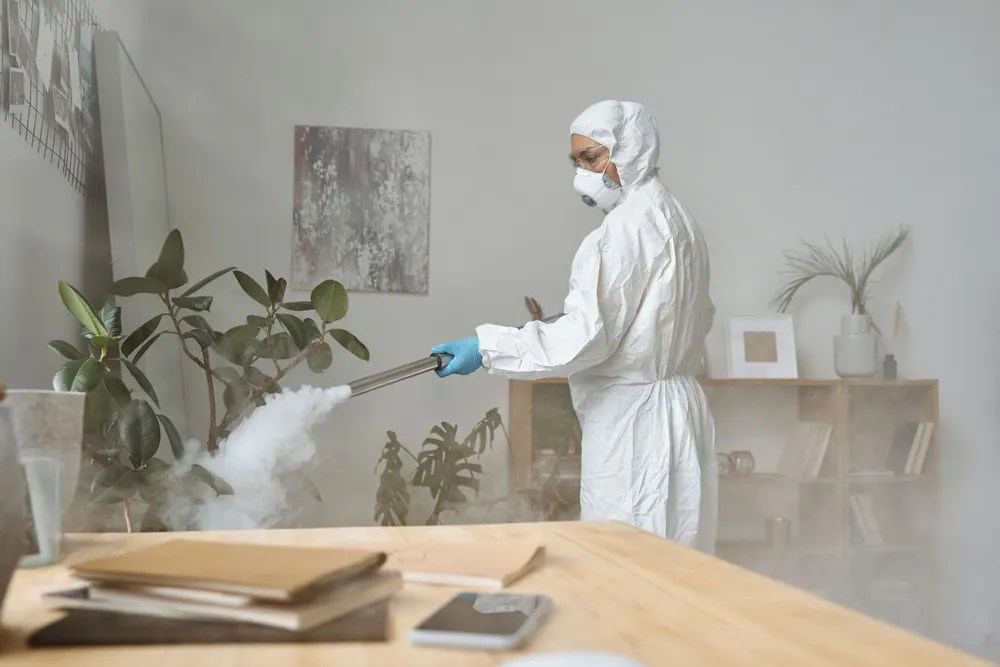
Pest control in Blairgowrie mostly involves subterranean termites in older timber, roof rats using mature trees, ants in kitchens, American cockroaches from old drains, and spiders in garages and gardens. We inspect the house and garden properly, treat each pest at its source and explain the small changes that stop it coming back.
Blairgowrie and its homes
Blairgowrie is an established residential suburb on the south-eastern side of Randburg, close to Craighall Park and Linden, with Delta Park and its green belt nearby. It's mostly freestanding family homes, many of them built in the 1950s and 60s, on comfortable stands with lawns, pools and big trees, plus a growing number of cluster homes and townhouses where old stands have been subdivided. It's a popular suburb with young families, and many houses have been renovated and extended.
Houses of that era were usually built with timber roof trusses, timber door and window frames and, often, built-in cupboards on outside walls. Sixty years on, that timber is the main draw for subterranean termites, and the joins between original and new building work are the main way rats and ants get in.
Termites: the one to take seriously
Subterranean termites live in the soil and travel through mud tubes to reach timber. In Blairgowrie homes we most often find them in built-in cupboards against outside walls, in door frames near a bathroom or kitchen, behind skirting boards in rooms that back onto flowerbeds, and in garages where cardboard boxes sit on the floor. Signs are thin brown mud tubes on walls, paint that bubbles in a line, and timber that sounds hollow when tapped.
We inspect, confirm the species and find the entry point, which is very often an expansion joint, a crack in the slab or soil banked against the wall. Then we treat with registered soil treatments around and under the affected area, or with baiting where drilling isn't practical, for instance where a beautiful old floor or expensive paving would have to be lifted. Termite treatments come with a 5-year guarantee and a treatment certificate. Our termite control across Randburg page goes deeper.
Other common Blairgowrie pests
Roof rats
Big jacarandas, oaks and other old trees, creepers on walls and gaps where an addition meets the original roof give roof rats an easy route into the ceiling. Bait stations outside, traps in the roof and sealing gaps clears them.
Ants
Ants nest under paving and in lawns, then trail into kitchens and bathrooms before rain. Baits that the workers carry back to the colony work far better than sprays. See ant treatments in Randburg for more.
Cockroaches from drains
Large American cockroaches live in sewer lines and come up through old drains, gullies and manholes on warm nights. Treating drains and outside gullies, and making sure gully covers fit, stops most of them. German cockroaches in the kitchen are a different job, dealt with by gel bait.
Spiders
Rain spiders on walls after a storm, sac spiders in bedroom corners, and button spiders under garden furniture and in pool pump housings. A perimeter treatment keeps numbers down.
How we do it
We start with the garden and outside walls, then the roof space, garage, kitchen and cupboards. It helps if we can get into built-in cupboards on outside walls and see the garage walls. Treatments are odourless and non-staining, and you won't have to leave; children and pets keep off treated surfaces until they're dry, and that's it.
The mistake we see in renovated homes
New paving, a new patio or a raised flowerbed laid right up against the house, covering the air bricks and bringing soil above the damp-proof course. It creates a hidden bridge for termites and a damp spot for ants and cockroaches. If you're renovating, keep the DPC exposed, and consider a termite treatment for any new section where it meets the soil.
A Blairgowrie tip
Once a year, empty the bottom of your built-in cupboards on outside walls and look at the back panels with a torch. Termites can work inside those panels for months without showing anywhere else, and catching them there saves a lot of damage.
What it costs and why
Ants, spiders and cockroaches are modest jobs for a family home. Rats depend on the number of bait stations and whether we trap in the roof. Termite treatment is the bigger cost, and it depends on how long the building's perimeter is, whether we need to drill through paving or a slab, and how much timber has been affected. Guide "from" prices are on our Johannesburg pest control prices page, and we quote after the inspection.
Blairgowrie is part of our Randburg pest control service, and we also look after homes in neighbouring Craighall Park.
Combat Pest Control is owned and operated by Jason van Heerden, who has 25 years of pest control experience. We're SAPCA registered and registered with the Department of Agriculture under Act 36, offer service within 24 hours, and our general treatments carry a 3-month guarantee. Call 084 200 2700, or WhatsApp us a photo of the mud tubes.
Questions we get asked
How much does termite treatment cost in Blairgowrie?
It depends on the building's perimeter, whether we need to drill paving, and how much timber is affected. We quote after inspecting. Guide prices are on our price page.
What are the first signs of termites in a house like mine?
Look for thin mud tubes on walls, bubbling paint in a line, and timber that sounds hollow. Built-in cupboards on outside walls are the first place to check.
Do termite treatments come with a guarantee?
Yes. Termite treatments carry a 5-year guarantee and a treatment certificate.
Why do big cockroaches come out of my drains?
American cockroaches live in sewer lines and come up through drains and gullies, especially on warm nights. Treating drains and fitting gully covers stops most of them.
Do I need to move out for termite treatment?
No. Termite treatments are applied to the soil and specific points around the building, so you can stay at home.
What should I do before you arrive?
Clear the bottom of cupboards on outside walls, give us access to the garage and roof hatch, and leave any mud tubes intact so we can trace them.