
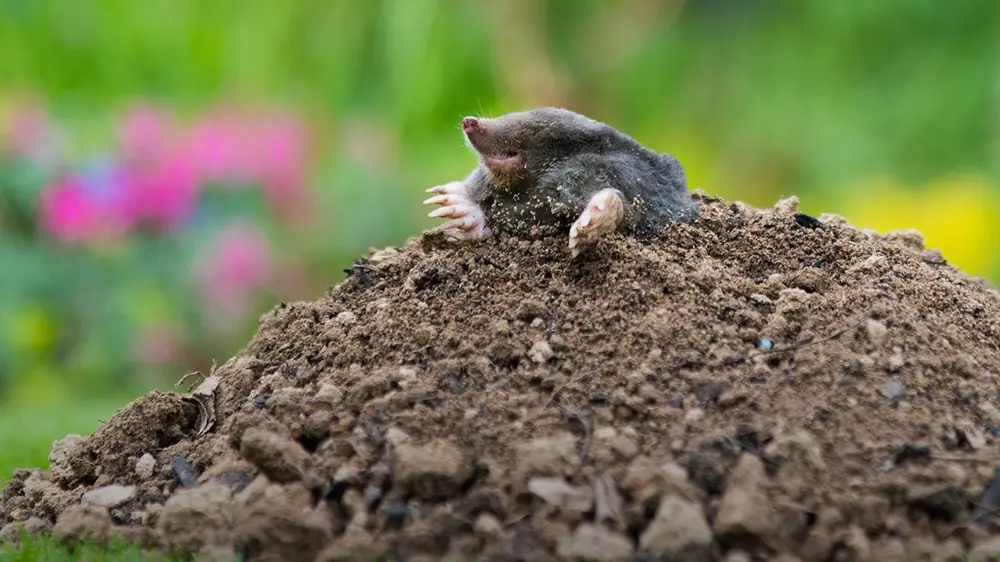
Mole control in Bryanston means working out which digger is in your garden and then removing it from its active tunnels. Mole-rats eat bulbs and roots; golden moles hunt grubs and worms. We map the fresh mounds, find the runs in use, set traps there, and advise on making the garden less inviting once they are gone.
Why Bryanston gardens attract moles
Moles and mole-rats need soft, moist soil and plenty to eat. Bryanston's big, established gardens provide both. Lawns that have been irrigated for years stay soft even in a dry winter, deep flowerbeds are full of bulbs, tubers and roots, and the mulch and compost that keep the beds healthy also support the worms and grubs that golden moles hunt. A large stand also gives a digger room to roam without ever reaching hard ground.
The timing follows the Highveld seasons. After the first summer storms the ground softens and new mounds appear almost overnight. In winter, activity often concentrates on the irrigated parts of the garden, where the digging is easiest.
Mole-rat or golden mole?
People call both of them moles, but they are different animals and leave different clues.
- Mole-rats are rodents with large front teeth. They push up larger, rounded heaps of soil and feed on plant roots, bulbs and tubers. If your agapanthus or clivias are wilting and coming loose in the soil, or bulbs simply vanish from a bed, a mole-rat is the likely cause.
- Golden moles are small insect-eaters that tunnel just under the surface. They leave raised ridges across the lawn rather than big mounds, and they are after earthworms and grubs, not your plants. The damage is mostly cosmetic, though the ridges can lift and dry out the grass.
Knowing which one you have decides the approach, so the first visit is spent reading the mounds and tunnels.
How we deal with them
Mapping. We flatten or mark the mounds and come back to see which ones are rebuilt. Fresh activity shows which tunnels are in use, because an abandoned run will be left alone.
Trapping. Traps go into the active runs, set carefully so the tunnel is restored around them. This takes patience, and more than one visit is often needed on a large lawn.
Reducing the attraction. For golden moles in particular, the reason they are there is the food in the soil. Grub-infested lawns draw them in, and dealing with the grubs makes the lawn far less interesting.
What to expect from a visit
Mole work is not a single spray and done. On the first visit we walk the lawn and beds with you, mark the mounds and ask when they appeared, because a timeline helps separate fresh activity from old. Traps are set in the runs that are clearly in use. We return within a few days to check them and reset where needed. On big Bryanston lawns, where tunnels can run from one side of the garden to the other, expect two or three visits before the mounding stops. Keep the irrigation off the trapped sections in between if you can, so the runs aren't flooded.
Not every bare patch is a mole
Sandy bare patches with small, neat holes and cut pieces of grass are a different problem. That is usually harvester termites stripping the lawn, which is common on Bryanston's big kikuyu lawns during dry winters and needs a completely different treatment; see our termite control in Bryanston page. Mounds with a blocked hole and no grass cuttings around them are more likely to be a mole-rat.
The mistake people make
Pushing a hose into the tunnel, or dropping car exhaust, smoke cartridges or household chemicals down the hole. Mole tunnels are long and branched, the animal simply moves to another section, and you risk contaminating the soil or damaging your own plants. Trampling the mounds flat every day doesn't help either; it only tells the animal that section has been disturbed.
A Bryanston tip
If you are replanting a bed with bulbs after a mole-rat problem, line the planting hole with a small basket of fine wire mesh. It keeps the bulbs out of reach while the roots grow through, and it is the simplest way to protect expensive plantings in a garden that has had mole-rats before.
What mole control costs, and why
The quote depends on how much of the garden is affected, how many active runs there are and how many visits it takes to clear them. Mole work is mostly time on site: reading the tunnels, setting traps and returning to check them. A single active area in one bed is a modest job; a large lawn with mounds across several sections takes longer. This page shows a guide "from" price, and the wider list is on our pest control prices for Johannesburg page. If you have a single mound that never comes back, it may not need treatment at all.
Moles beyond Bryanston
We also deal with mole problems in Randburg gardens, with lawns in Magaliessig, and right across the city through mole control across Johannesburg. For the other pests we see in local gardens, from scorpions to wasps, see our pest control in Bryanston overview.
Combat Pest Control is run by Jason van Heerden, with 25 years of experience, SAPCA registration and Department of Agriculture registration. We offer service within 24 hours, and if the treated problem returns within 3 months we come back. Call 084 200 2700, or WhatsApp us a photo of the mounds so we can tell you what is digging.
Questions we get asked
How much does mole control cost?
It depends on how large the affected area is and how many visits it takes. One active bed is a small job; mounds across a big lawn need more trapping and more return visits.
How do I know if it's a mole-rat or a golden mole?
Mole-rats leave larger rounded heaps and eat bulbs and roots, so plants start to wilt and come loose. Golden moles leave raised ridges just under the lawn surface and feed on worms and grubs.
Will moles damage my irrigation?
They can disturb drip lines and loosen soil around pipes, and mole-rats will gnaw anything in their way. Most of the damage, though, is to lawns, bulbs and roots.
Is trapping safe for my dogs?
Yes. The traps sit inside the tunnels underground, not on the surface. Dogs that dig enthusiastically at mounds should be kept away from the treated runs while trapping is under way.
How long does it take?
Usually a couple of visits over one to two weeks. Large gardens with several active areas can take longer, because each run has to be identified and trapped.
Will the moles come back?
New animals can move in from neighbouring gardens over time, especially where soil is soft and food is plentiful. Protecting bulbs and dealing with lawn grubs reduces the chances.