
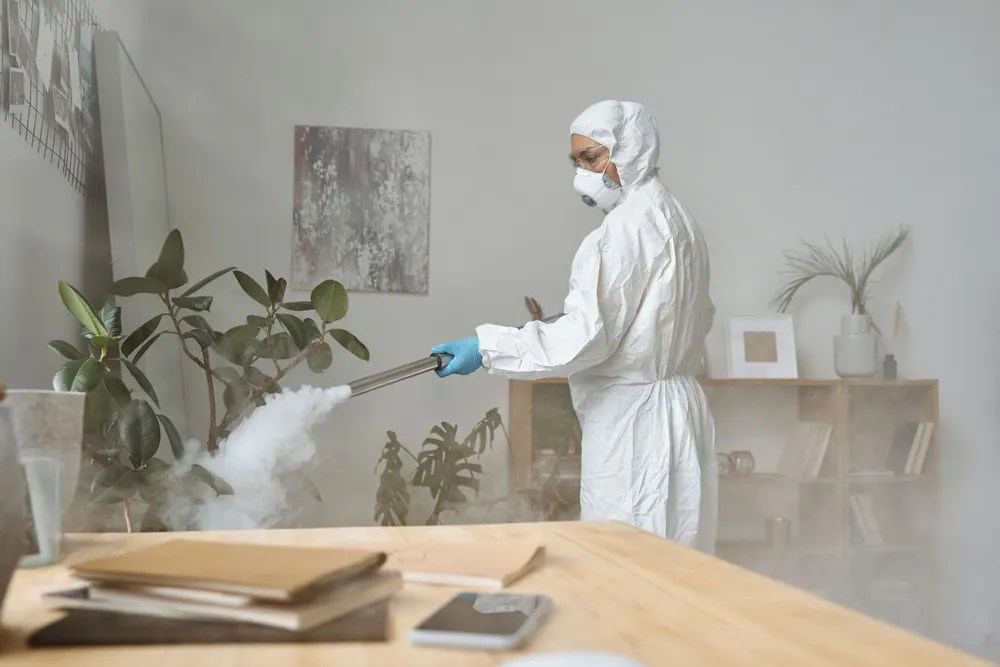
Pest control in Cramerview is mostly about rats in the roof, ants in the kitchen and bathrooms, subterranean termites in older gardens, spiders around outbuildings, and fish moths in cupboards and storerooms. We start with an inspection to find the cause, treat it properly, and show you the small changes that keep the problem from returning.
Why a quiet suburb still gets pests
Cramerview is one of the smaller suburbs in the Bryanston area: mostly family homes on decent-sized stands, a handful of townhouse complexes, and the kind of established gardens that have been planted, extended and left to grow for decades. It doesn't have the restaurants or the traffic of the bigger nodes, so people are sometimes surprised to find rats or termites at home.
The reason is simple. Pests here don't need commercial waste. They need cover, food and moisture, and a mature garden supplies all three. Thick hedges and ivy shelter rats. Leaf litter, compost and irrigated beds keep termites and millipedes happy. Storerooms, garages and staff rooms full of boxes are perfect for fish moths and spiders. And the hedge or wall between two properties is rarely a barrier to anything.
What we find in Cramerview homes
- Roof rats: noise above the ceiling at night, droppings in the roof and in the garage, chewed cables or irrigation pipes.
- Ants: trails along skirting boards, around the sink and into the sugar, often heaviest in late spring and after rain.
- Subterranean termites: mud tubes on walls, damaged skirting or door frames, and soft spots in timber near the ground.
- Spiders: button spiders, sac spiders and rain spiders around garages, wood piles, outside lights and garden furniture.
- Fish moths: silver, fast-moving insects in bookshelves, storerooms and built-in cupboards, with small holes in paper and fabric.
How we deal with each one
Rats are baited outdoors in lockable, tamper-resistant stations along the walls and hedges they use, with traps inside the roof where poison isn't appropriate. Once activity stops, we show you exactly where they were getting in. If you'd like to read more first, there's a fuller explanation on our rat control in Bryanston page.
Ants are treated with baits, not sprays. The workers carry the bait back and share it with the queen, which is the only way to stop the trail returning a week later.
Termites need confirmation first. If they're subterranean termites in the structure, we treat the soil around the foundations and bait where the colony is active. That work carries a 5-year guarantee with a treatment certificate. Our termite control for Bryanston homes page goes into the detail.
Spiders follow insects, so we treat the places spiders shelter and hunt: eaves, garages, outside lights and the undersides of garden furniture, with an odourless residual spray.
Fish moths are treated with a targeted residual in cupboards, shelving and storerooms. Reducing damp and clearing old cardboard helps the treatment last.
Before and during the visit
Most homes take an hour or two. You don't need to move out, and there's no strong smell; keep children and pets off treated surfaces until they dry. It helps if you clear the area under the sink, make the roof hatch accessible and tell us where you've seen the problem. If you've found droppings or mud tubes, leave them so we can see them.
Where people go wrong
The usual mistake in a garden like this is assuming that a termite problem in the lawn is the same thing as a termite problem in the house. It might be harvester termites cutting grass, which never touch timber, or it might be subterranean termites working towards the foundations. They're treated in different ways, so don't buy a product until you know which one it is.
A Cramerview tip
Clear the space behind the garage and the staff room. That narrow strip between an outbuilding and the boundary wall, with old bricks, offcuts and garden refuse, is where we most often find rat burrows, termite activity and spiders all within a metre of each other.
What it costs and why
Price depends on the pest, the size of the house and garden, and how much follow-up is needed. An ant or fish moth treatment in a family home is modest. Rat work depends on the number of stations and trap checks. Termite treatment is priced on the perimeter of the building and the amount of paving and timber involved. A guide "from" price appears on this page, and you can compare everything on our price list for pest control in Johannesburg. If a small DIY fix will do the job, we'll tell you honestly.
Cramerview is part of our Bryanston pest control area, and the suburbs around it have their own pages too, such as pest control for Epsom Downs. Many of the same pests cross between them, because gardens, hedges and walls run straight from one suburb into the next. A rat colony living in a hedge does not know where a suburb boundary is, and nor does a termite colony under a pavement.
Behind every visit is Jason van Heerden, who owns and runs Combat Pest Control and has 25 years of experience. We're SAPCA registered, registered with the Department of Agriculture, offer service within 24 hours and back general treatments with a 3-month guarantee. Call 084 200 2700, or WhatsApp a photo and we'll tell you what it is.
Questions we get asked
How much is pest control for a Cramerview family home?
It depends on what we're treating and the size of the house and garden. Ant and fish moth treatments are modest; rats and termites cost more. The guide from-price is on this page and we quote after inspecting.
Is it harvester termites or the kind that eat houses?
Bare lawn patches with small holes and soil heaps, mostly in winter, point to harvester termites. Mud tubes on walls and damaged timber point to subterranean termites. We confirm before treating.
Are the spiders in my garage dangerous?
Most aren't, but button spiders can give a serious bite and sac spiders can cause a painful one. Treating garages, wood piles and outside lights reduces both.
How long until the rats are gone?
Activity usually drops within one to two weeks of baiting. We check traps and stations and then help you close the entry points.
Is it safe for my children and pets?
Yes, when used correctly. Rodent bait is locked inside stations, and children and pets should stay off sprayed surfaces until they're dry.
What are the silver insects in my bookshelf?
Those are fish moths. They feed on paper, glue and starchy fabrics and like dark, slightly damp places. A targeted treatment and less clutter clears them.