
Millipede control in Johannesburg is about stopping them getting in during summer swarms. Millipedes live in damp soil, mulch and leaf litter and feed on decaying plant matter, then wander in numbers after rain. We apply barrier treatments to walls, foundations and doorways, and help you change the garden conditions that build up big populations.
What millipedes are
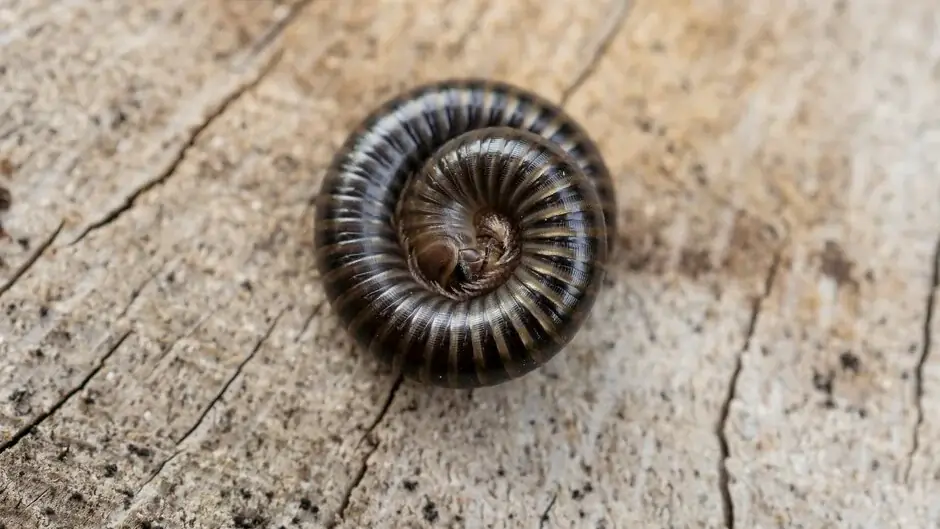
Millipedes are slow, rounded, many-legged creatures with two pairs of legs on most body segments. The big black ones South Africans call shongololos are the best known, but smaller brown and grey millipedes are often the ones that turn up in large numbers. When disturbed, millipedes curl into a tight coil and some release a defensive fluid that can stain skin and irritate eyes.
They're not predators and don't bite or sting. They eat rotting leaves, mulch, compost, decaying wood and sometimes soft seedlings and fruit lying on the ground. In the garden they help break down organic matter. The problem starts when they move indoors in their hundreds.
Why Johannesburg gets millipede invasions
Highveld millipedes follow the rain. During the dry winter they stay deep in the soil and under debris. When the summer rains arrive, usually from October or November, they become active, breed and wander. Heavy storms waterlog their shelter, and they climb up walls, onto stoeps and under doors to escape. Many die indoors because they dry out on tiles and carpets.
Properties with thick mulch, lots of leaf litter, compost heaps, woody flowerbeds and irrigation close to the house usually have the biggest numbers. We see the heaviest invasions in estates and complexes with landscaped gardens and bark mulch, like those around Fourways, in Midrand where new estates border veld, and on the leafy, sloping stands near Northcliff Ridge.
Signs of a millipede problem
- Millipedes climbing outside walls, especially in the evening and early morning after rain
- Curled-up millipedes on the stoep, in the garage and in doorways
- Dead millipedes in passages, under furniture and in the shower
- Large numbers under pot plants, mulch, paving and wooden decking
- A sharp smell when many have been crushed or disturbed
Are millipedes harmful?
Not really. They don't bite, sting, spread disease or damage the house. The defensive fluid some species produce can cause brown stains on skin and should be kept away from the eyes, so wash your hands after handling one. Dogs that mouth millipedes sometimes drool or foam because of the bitter taste; usually it passes, but phone your vet if your dog seems unwell. Their main impact is the nuisance of finding them everywhere, plus some damage to seedlings and strawberries in vegetable gardens.
How we deal with millipedes
- Inspection. We look at where they're coming from and how they're getting in, usually under doors, through weep holes, air bricks and gaps around the garage door.
- Barrier treatment. We apply an odourless, non-staining residual treatment along the foundations, the base of the walls, door thresholds, window sills and paving edges around the house.
- Harbourage treatment. Flowerbeds against the house, mulched areas and dense ground cover close to the walls are treated where needed.
- Garden advice. We tell you what to change so fewer millipedes breed right next to the house.
Treatments don't require you to move out. Keep children and pets off treated areas until they're dry. During a big swarm, some millipedes will still cross the barrier and die on the way in; that's normal for the first few days.
The mistake that keeps the numbers high
Piling fresh bark mulch against the walls every spring. It looks neat and holds water, which is exactly why millipedes love it. Combined with irrigation that runs every evening, it creates a millipede nursery right against your foundations. Pull mulch back from the walls, and water in the morning so the surface dries by night.
Prevention
- Keep a dry, mulch-free strip of gravel or paving about half a metre wide around the house.
- Rake up leaf litter and fallen fruit near the walls.
- Move compost heaps and wood piles away from the house.
- Fit brush strips under outside doors and garage doors, and seal gaps around pipes.
- Sweep up and remove millipedes that come in, so dead ones don't attract other pests.
What millipede control costs, and why
The price depends on the length of the perimeter, the size of the garden and flowerbeds near the house, how many outbuildings there are, and whether a second treatment is needed during a long rainy season. A townhouse is a small job; a big property with large, mulched beds costs more. Our Johannesburg pest control price guide shows the guide price. If you only see a few after storms, clearing mulch from the walls and fitting door seals may be all it takes. Our millipede guide has more on their life cycle. Fast, flat creatures with long legs are centipedes instead; see our centipede control in Johannesburg.
The millipede season is short but intense, so it pays to treat early in the rains. We offer service within 24 hours, millipede treatments carry a 3-month guarantee, and you'll be dealing with a SAPCA registered business, registered with the Department of Agriculture, with 25 years in pest control. Phone 084 200 2700, or WhatsApp us a picture of what's climbing the walls.
Questions we get asked
How much does millipede control cost?
Millipede treatments are priced mainly on the length of the perimeter, the size of the beds near the house and whether a second treatment is needed. A townhouse is a small job; large properties with big mulched beds cost more. We confirm the price after seeing it.
Why are there so many millipedes after it rains?
Rain triggers them to become active and breed, and heavy storms flood their shelter in the soil and mulch, so they climb walls and come under doors to escape.
Are millipedes dangerous to children or dogs?
No, but some release a fluid that stains skin and irritates eyes. Wash hands after touching one. Dogs that mouth them may drool; call your vet if your dog seems unwell.
Do millipedes damage plants?
Mostly they eat decaying plant matter, but in large numbers they can nibble seedlings and soft fruit like strawberries lying on the ground.
Will a treatment stop every millipede?
No treatment stops every single one during a big swarm, but a barrier treatment greatly reduces the number getting inside, especially with the garden changes we suggest.
How long does millipede treatment last?
Millipede treatments carry a 3-month guarantee, which covers most of the peak rainy season.
What should I do before you come?
Sweep up the millipedes inside, rake back mulch near the walls if you can, and clear access to the outside walls and garage.