
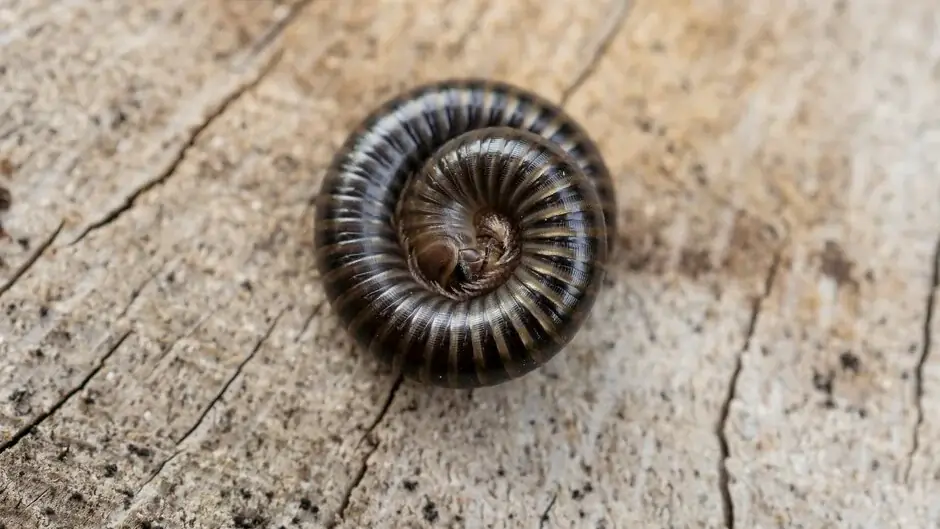
Millipede control in Midrand is usually needed after the summer rains, when hundreds of shongololos climb walls, cluster at doorways and wander into homes. We apply a residual barrier around the house and treat the damp beds, mulch and paving edges they breed in, then show you how to make the garden less inviting next season.
The rainy-season invasion
Ask anyone who has lived on a Midrand estate next to open grassland and they will tell you about the year the millipedes arrived. After a run of heavy summer storms, millipedes leave soaked soil and leaf litter in huge numbers and head for higher, drier ground, which often means the walls of your house, the patio, the pool coping and the gap under the front door. On some properties they cover the base of the walls every evening for weeks.
They are drawn by the conditions many new Midrand gardens provide: thick layers of bark mulch, compost, lawn clippings, damp flowerbeds right against the house, and irrigation running every day. Estates built on veld add the colonies that were already in the soil before the houses came.
Are millipedes harmful?
Not really. Millipedes do not bite or sting, and they do not damage buildings. They feed mostly on decaying plant material, though in large numbers they nibble seedlings and soft fruit lying on the ground. Their defence is chemical: when disturbed they curl up and release a fluid that smells unpleasant, can stain skin, paving and walls brown or yellow, and can irritate eyes. Dogs that pick them up sometimes drool and paw at their mouths for a while. The real problem is the sheer number, the smell when they are swept up or crushed, and the stains they leave.
If what you are seeing is flat, fast and bites, it is a centipede, not a millipede, and our page on centipedes in Midrand explains the difference.
Signs of a millipede problem
- Large numbers of dark, rounded, many-legged creatures climbing walls at dusk after rain.
- Curled-up millipedes on floors, especially near doors, and in the pool or pool filter.
- Brown or yellow stains on walls and paving where they gather.
- A sharp, unpleasant smell in the garage or patio where they have been swept up.
How we treat millipedes
- Look at the garden. We find the beds, mulch, compost and damp areas where they are breeding, and the routes into the house.
- Perimeter barrier. An odourless, non-staining residual product is applied in a band around the outside of the house, along the base of walls, around doors, garages and weep holes.
- Treat the source areas in mulched beds, under paving edges and around the compost where millipedes gather.
- Advice on the garden. We show you which changes will cut numbers next season.
You do not need to leave home. Keep pets and children away from the treated band until it has dried.
What people get wrong
Sweeping them up every evening and pouring boiling water or bleach over the pile. It deals with that night's millipedes, stains the paving and leaves the breeding beds untouched. The next storm brings the next wave. Another mistake is to keep adding mulch to the flowerbeds against the house to "improve the garden", which is exactly what millipedes want.
A Midrand tip
Leave a strip of gravel or bare paving about half a metre wide between the house walls and the flowerbeds, and keep mulch and compost on the far side of it. Millipedes cross dry, open ground reluctantly, and this one change makes the treated barrier far more effective.
Estates and body corporates
When millipedes invade, they invade everyone. On estates and in complexes we can treat the shared perimeter walls, communal gardens and common areas in one programme. Treating one house while the communal beds next to it are untouched gives limited results.
What millipede control costs, and why
Four things set a millipede quote: the size of the house, the length of the perimeter, how much of the garden needs treating and whether communal areas are included. A single house is fairly straightforward; an estate or a large property with deep beds takes more time and product. Our price guide for pest treatments shows the starting point, and you will see a "from" price on this page as well. If the millipedes appeared after one big storm and are already fading, changing the garden layout may be enough, and we will tell you that.
Many complexes in Halfway Gardens and nearby estates call us at this time of year. Our Fourways millipede treatments deal with similar estate conditions, the city-wide information is on millipede control in Johannesburg, and everything else is on our Midrand services page.
With 25 years of experience, owner and operator Jason van Heerden runs Combat Pest Control as a SAPCA registered company, also registered with the Department of Agriculture under Act 36. Service within 24 hours is standard, as is a 3-month guarantee. Call 084 200 2700, or WhatsApp us a photo of the millipedes on your wall.
Questions we get asked
How much does millipede treatment cost?
It depends on the size of the house, the perimeter, how much garden needs treating and whether communal areas are included. One house costs far less than an estate. We quote after looking.
Do millipedes bite?
No. Millipedes do not bite or sting. Their defensive fluid can stain skin and irritate eyes, so wash your hands after touching them.
Why are there so many millipedes after rain?
Heavy rain soaks the soil and leaf litter they live in, so they move in large numbers to higher, drier ground, including your walls and patio.
Are millipedes dangerous to my dog?
They are not usually dangerous, but their fluid tastes bad and can make a dog drool or paw at its mouth. Rinse the dog's mouth with water and see a vet if symptoms last.
How long does the treatment last?
The perimeter barrier works for weeks to months depending on rain. Clearing mulch and damp beds from the walls keeps numbers down for longer, and our treatments carry a 3-month guarantee.
Will millipedes damage my house?
No. They do not damage structures. The problem is the number, the smell and the stains they leave on walls and paving.