
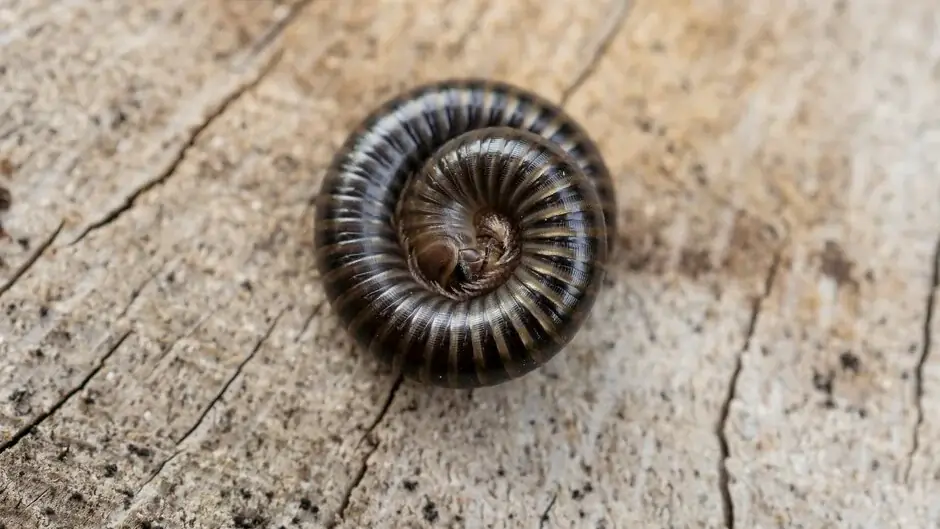
Millipede control in Soweto is mostly about the summer invasion. After good rains, shongololos breed in leaf litter, compost and damp soil and then march into houses in large numbers. We treat the yard, the wall base and doorways with a residual barrier and show you which damp, rotting material to remove so far fewer come back.
Why millipedes invade after rain
Millipedes, known to most people in South Africa as shongololos, feed on decaying plant material: fallen leaves, rotting wood, compost, old grass cuttings and mulch. They need moisture and spend dry spells deep in the soil. When the summer rains arrive on the Highveld, usually from October, they come up to feed and breed, and their numbers can build very quickly.
Then two things push them indoors. Heavy storms flood the soil, and hot days dry the surface out between storms. Millipedes move in search of the right conditions, and the cool, slightly damp floor of a house, a backyard room or a garage looks perfect. They climb walls, squeeze under doors and gather in corners, often dying there because indoor air is too dry for them.
Why Soweto yards produce so many
Several things common in Soweto yards feed millipede populations. Vegetable gardens with mulch and compost are ideal breeding ground. Piles of old timber, cardboard, carpets and tyres stored behind the house rot slowly in the rain. Wet soil builds up where gutters are missing or downpipes empty straight onto the ground beside the wall. Stands that back onto open veld or a stretch of long grass see many more, because the population there is large and moves in waves.
Are millipedes harmful?
Not really. Millipedes don't bite or sting, and they don't damage your house or furniture. Their main defence is curling into a coil and, in some species, giving off a fluid that smells unpleasant and can stain skin, clothes and walls a brownish colour. It can irritate the skin and is especially unpleasant if it gets in the eyes, so wash your hands after handling them and teach children not to put them in their mouths. Dogs that bite one usually drool and back off quickly. They can also nibble seedlings in a vegetable garden when numbers are high.
How we treat millipedes
- Inspection of the yard, gardens, compost, stored material and wall bases to find where they're breeding and how they're getting in.
- Perimeter barrier: an odourless, non-staining residual treatment along the outside walls, door thresholds, the base of steps and the edges of paving.
- Treating breeding spots in the yard where it's sensible, without spraying vegetable beds you eat from.
- Clean-up advice on mulch, compost, rotting wood and drainage close to the house.
Indoors, the best tool is a broom: sweep them up and throw them out. A treated barrier stops most of the next wave getting that far.
Millipedes in schools, crèches and churches
Large buildings with lawns, flowerbeds and trees around them get some of the biggest invasions we see, because there's so much leaf litter for the millipedes to feed on. Classrooms, crèche playrooms and church halls end up with hundreds in the corners every morning, and staff spend the start of each day sweeping. For these sites we treat a barrier along every outside wall and door, and advise on clearing leaves from gutters, drains and beds next to the building. One treatment early in the season, before numbers peak, usually makes the biggest difference.
What people get wrong
Spraying insect spray inside the house. Millipedes indoors are already on their way out, and spraying the floor puts chemicals where children and pets walk, while the thousands outside carry on. The other mistake is piling mulch right up against the house wall. It looks neat but creates a millipede highway straight to the door.
A local tip
Keep a gap of at least half a metre between compost heaps, mulched beds and stored timber and the walls of the house and backyard rooms, and make sure downpipes discharge away from the wall. A dry strip around the house is the single best millipede barrier.
What millipede control costs
For most homes it's a fairly small job. The price depends on the size of the property, how many buildings need a perimeter treatment and whether the yard needs work too. A barrier treatment early in the rainy season gives the best value. See our pest control fees in Johannesburg for the guide price. If you only see a few, sweeping them up and clearing the mulch from the wall may be all that's needed.
Related pages
The fast, flat creatures that bite are centipedes, not millipedes; see centipede control in Soweto. Gardeners in Meadowlands have their own local page, and the full list of what we treat is on the Soweto pest control page. Next door, we treat millipedes in Roodepoort, and city-wide through millipede control across Johannesburg.
Jason van Heerden has run Combat Pest Control for 25 years; we're SAPCA registered and registered with the Department of Agriculture, and we offer service within 24 hours with a 3-month guarantee. Call 084 200 2700, or WhatsApp us a photo of the invasion and we'll book a visit.
Questions we get asked
How much does millipede treatment cost?
Usually it's a fairly small job. The price depends on the size of the property and how many buildings need a perimeter barrier. We confirm after seeing the yard.
Are shongololos poisonous?
No. They don't bite or sting. Some give off a smelly fluid that can stain and irritate skin, so wash your hands after touching them.
Why are there suddenly hundreds of millipedes?
Summer rain brings them up to feed and breed, and floods or hot dry spells push them indoors in waves. It usually eases after a few weeks.
Will the treatment harm my vegetable garden?
We don't spray beds you eat from. The barrier goes along walls, doorways and paving edges, away from food plants.
Is the treatment safe for my dog?
Yes, once dry. Keep pets off treated areas until then. If your dog bites a millipede, rinse its mouth with water; the drooling passes.
Can I stop them coming in next year?
Yes, mostly. Move mulch, compost and timber away from the walls, fix downpipes, and book a barrier treatment early in the rainy season.