
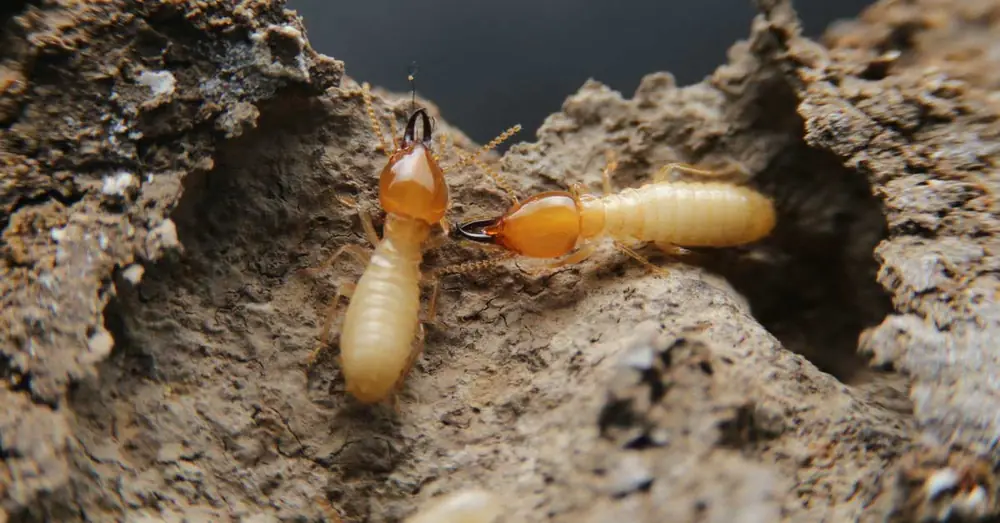
Termite control in Soweto starts with working out which termite you have. Harvester termites strip grass and leave bare yards; subterranean termites eat door frames, window frames and roof timber. We inspect, confirm the species, then treat the colony with registered soil treatments or baiting, so the damage stops rather than moving to another wall.
Why termites are such a common problem in Soweto
Soweto sits on the Highveld, and its soil holds moisture well below the surface even in the dry months. Termite colonies live in that soil and travel to food through it. Add summer thunderstorms that soak the ground from October to March, plenty of open veld and school fields around the township, and a building history that left a lot of timber close to the soil, and you have ideal conditions.
The housing itself plays a big part. Most of the original four-roomed homes in areas like Orlando, Meadowlands and Diepkloof have been extended at least once: a new bedroom, a garage, a second storey or a row of backyard rooms. Many of those extensions went up without any termite pre-treatment of the soil underneath. The new foundation then joins the old one, and the join, along with the timber door and window frames built into it, becomes the easiest route into the house. Newer homes in areas like Protea Glen aren't immune either: the colony was often in the ground long before the houses were built.
The two termites you'll meet
Harvester termites in yards and lawns
These are the ones most Soweto families see first. Harvester termites don't eat your house. They cut grass and carry it underground, and in a dry Highveld winter they can turn a small lawn or a grassed yard into bare, sandy ground within weeks. Look for small round holes ringed with loose soil and short bits of cut grass. Treating the active openings lets the workers take the product down to the colony, and then the grass can recover.
Subterranean termites in timber
These cause the real damage. They live underground and build thin brown mud tubes up walls and foundations to reach wood without drying out. They eat door frames, window frames, skirting boards, built-in cupboards, roof trusses, and even cardboard boxes and papers stored on the floor. In Soweto we often find them in the frame of a back door, in a wooden window frame on the side of the house that stays damp, or working up the inside of a cupboard against an outside wall.
Signs to look for
- Mud tubes running up a wall, a foundation, the side of a step or the inside of a cupboard.
- Door or window frames that sound hollow, feel soft, or break when you press them.
- Paint that bubbles or cracks in a straight line along a frame or skirting board.
- Winged termites coming out of a wall, floor or frame after the first summer rain. A swarm outside is normal; a swarm indoors means a colony is using the building.
- Bare yard patches with small holes and soil heaps in winter, the sign of harvester termites.
How we treat termites in Soweto homes
- Inspection. We check every wall where the building meets the soil, the door and window frames, cupboards, the roof space where we can reach it, backyard rooms and the yard. We confirm the species and find where the colony is getting in.
- Finding the route. The join between an old house and an extension, cracks in the floor slab, pipes through walls, soil or sand piled against the house, and timber resting on the ground are the usual entry points.
- Treatment. For subterranean termites we apply registered soil treatments to create a treated zone along and under the walls, or use baiting where drilling and trenching aren't practical. For harvester termites we treat the active nest openings.
- Follow-up. Heavy activity needs a return visit to check that the tubes stay dead and the yard holes don't reopen.
You don't need to move out. The treatment goes into the soil and specific points around the building. Keep children and pets away from treated areas until they've dried, and we'll show you exactly where those are.
Building an extension or new rooms?
This is the single most useful thing a Soweto homeowner can do about termites. Before the foundation and floor slab are cast for a new room, garage or backyard unit, have the soil treated. A termite pre-treatment of the soil before building puts a treated barrier exactly where it's needed, costs much less than treating later, and stops the new section becoming a bridge into the old house.
What people get wrong
Pouring diesel, used engine oil or a bucket of strong poison into the holes is the one we hear about most. It kills the termites you can see, damages the soil and anything growing in it, and leaves the colony underground untouched. It can also put children and animals in the yard at risk. The second mistake is knocking down the mud tubes. Leave them in place: they show us exactly where the colony is coming in.
A local tip
After any building work, clear away offcuts, old frames, broken pallets and rubble rather than burying them or leaving them behind the backyard rooms. Buried timber is a food store that keeps a colony fed for years, right next to your walls.
What termite control costs, and why
The cost depends mostly on which termite it is. Treating harvester termite openings in a yard is a fairly small job. Treating a house for subterranean termites costs more, and the price depends on the length of the walls that need treating, whether we have to drill through paving or a slab, how many backyard rooms are attached, and whether baiting suits the building better than a soil treatment. Our termite and pest control guide prices show where the work starts, and you'll get a clear quote after the inspection.
Our guarantee
Termite treatments come with a treatment certificate and a 5-year guarantee. If you're selling a house and the buyer, bank or conveyancer asks for a termite certificate, we can inspect and issue one when there's no active infestation.
Termites and other timber pests nearby
Not every hole in timber is termites. Small round holes with fine powder usually mean wood borer, which is treated differently; see our wood borer treatment in Soweto page. For a wider view of the area, our Soweto pest control overview covers the other pests we treat, and families in Meadowlands have their own local page. West of Soweto we handle termite treatments in Roodepoort, and the full picture for the city is on our Johannesburg termite control page.
Combat Pest Control is owned and run by Jason van Heerden, with 25 years of experience, SAPCA registration and registration with the Department of Agriculture. We offer service within 24 hours. If you've spotted mud tubes or a soft frame, call 084 200 2700, or WhatsApp us a photo and we'll tell you what kind of termite you're looking at.

Questions we get asked
How much does termite treatment cost in Soweto?
It depends on the termite and the size of the job. A harvester termite treatment in a yard is modest; treating a house for subterranean termites depends on wall length, paving and backyard rooms. We quote after inspecting.
Will harvester termites damage my house?
No. Harvester termites eat grass, not timber. They make the yard bare and sandy but they don't attack frames or roofs. It's the subterranean termites, the ones that build mud tubes, that damage buildings.
How long does the treatment protect my home?
A soil treatment protects the treated zone for years, and our termite work carries a 5-year guarantee with a certificate. New extensions or paving can break the treated zone, so let us check after building work.
I'm adding a room. Do I need a termite treatment first?
Yes, it's strongly worth it. Treating the soil before the slab is poured is much cheaper than treating later and stops termites using the new room as a way into the house.
Do I need to leave the house while you treat?
No. Termite treatments go into the soil and certain points around the walls, so you can stay at home. Keep children and animals off treated areas until dry.
Does pouring diesel or oil into the holes work?
No. It kills a few termites at the surface, harms the soil and is dangerous around children and animals, while the colony underground carries on.
What should I do before you come?
Leave any mud tubes as they are, clear access to cupboards, the garage and backyard rooms, and note where you've seen activity or flying termites.