
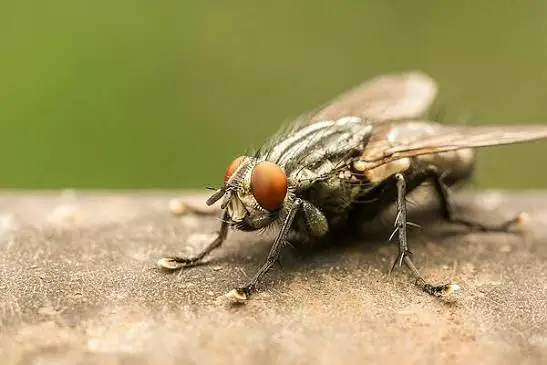
Fly control in Soweto works by stopping the breeding, not just killing the flies you see. We find where they breed, usually bins, dumping spots, animal pens and drains, then treat the places flies rest and gather with a residual product and give you a practical plan for the source, which is what keeps numbers down through summer.
Why flies are such a summer problem here
House flies lay their eggs in rotting organic matter: food waste, animal droppings, wet rubbish and grease. In the heat of a Highveld summer, eggs can hatch into maggots within a day and become adult flies in about a week. That speed is the whole problem. A single overflowing bin or a heap of waste left over a hot weekend can produce a huge number of flies.
In Soweto the main breeding sources we find are:
- Refuse. Bins without lids, bags left outside between collections, and informal dumping spots on corners and open stands.
- Animals. Chicken runs, pigeon lofts, dog runs and, in some yards, goats or other livestock kept for ceremonies. Droppings and spilt feed breed flies quickly.
- Food businesses. Shisa nyama stands, takeaways, butcheries and taverns produce meat scraps, bones, fat and food waste every day.
- Drains. Kitchen gullies blocked with fat and blocked or broken sewer lines breed drain flies and attract house flies.
When flies peak
Fly numbers in Soweto climb from October, as the weather warms, and stay high until the cooler nights of April. The worst spells usually come after rain followed by heat, when rubbish and droppings are wet and the sun bakes them. Long weekends and month-end are also bad, because more food is cooked and more waste piles up before the next collection. In winter flies almost disappear outdoors, but a warm kitchen or butchery can keep breeding them all year.
Why flies matter
Flies land on rubbish, droppings and raw meat, then on food, plates and children's faces. They carry germs on their feet and mouthparts and are linked to stomach illnesses, especially in hot weather. For food businesses, flies are also one of the first things customers and health inspectors notice.
Our fly control approach
- Inspection. We walk the property and the area around it to find breeding sites and the places flies rest: walls in the sun, the underside of roof sheeting, fences, cables and the edges of doors and windows.
- Source advice. We tell you exactly what's breeding them and what to change: lids on bins, how often to clean, where to keep waste, how to handle animal droppings.
- Residual treatment of resting surfaces. Flies spend most of their time resting. Treating walls, eaves and other resting spots with an odourless, non-staining residual product kills them as they land.
- Bin and drain treatment where maggots are present.
- Scheduled visits for businesses through the hot months, with a written record each time.
You don't need to leave home. Keep children and pets off treated surfaces until they're dry, and we don't spray food areas or eating surfaces.
Taverns, takeaways and butcheries
For food and drink businesses, flies can be more than a nuisance; they're a reason for complaints and inspections. We work around your trading hours, treat the outside resting areas, bin storage and back entrances, and advise on waste handling. A monitoring contract through the summer, with a service record for each visit, shows you're taking it seriously. Where maggots are the main problem, our maggot control service deals with bins and waste areas directly.
What people get wrong
Hanging up more fly strips and spraying more aerosol inside. These kill flies that are already in the room, but a bin breeding hundreds of new flies a day outside will always win. The other mistake is rinsing bins into the yard drain, which spreads fly eggs and maggots into the drain and breeds them there instead.
A tip for Soweto homes
Wrap meat scraps, bones and nappies in newspaper or a sealed bag before they go in the bin, and keep the bin lid shut and the bin in the shade. On collection day, rinse the empty bin and leave it upside down in the sun to dry. That simple routine cuts the fly breeding in most yards.
What fly control costs
The price depends on the size of the property, how many buildings and resting areas need treating, whether bins and drains are involved, and whether you want a once-off treatment or regular visits through summer. A home with a bin problem is a small job; a tavern with a kitchen and yard is bigger. For the guide price, see our prices for fly and insect control. Often the biggest improvement comes from changing how waste is stored, which costs you nothing.
Related services
Where there are flies, there are often cockroaches in the same kitchen; see cockroach control for Soweto. For homes around Kliptown, see the local page, and our Soweto pest control page covers everything else. We also treat flies in Johannesburg South and offer fly control across Johannesburg.
Combat Pest Control is SAPCA registered and registered with the Department of Agriculture, with Jason van Heerden bringing 25 years of experience. We offer service within 24 hours, backed by a 3-month guarantee. Call 084 200 2700, or WhatsApp a photo of where the flies are gathering and we'll tell you what's breeding them.
Questions we get asked
How much does fly control cost?
It depends on the property size, the areas that need treating and whether it's a once-off or regular visits through summer. A home is a small job; a food business costs more. We quote after looking.
Why are there so many flies even though my house is clean?
Flies usually breed outside, in bins, animal pens or a dumping spot nearby, and fly in. Finding and fixing the source is the answer.
Is fly treatment safe around food?
Yes. We treat walls, eaves and other resting surfaces, not food or eating areas, and the product is odourless and non-staining.
How long does a fly treatment last?
A residual treatment on resting surfaces keeps working for weeks. In peak summer, businesses often choose regular visits to keep numbers down.
Can you help with maggots in the bin?
Yes. We treat the bin and waste area, and explain how to wrap and store waste so flies can't lay eggs in it.
Do you work with taverns and shisa nyama stands?
Yes. We work around trading hours and can set up scheduled summer visits with a written record each time.