
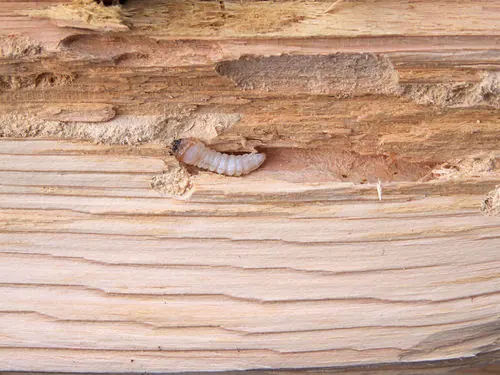
Wood borer treatment in Northcliff deals with beetle larvae tunnelling through the timber floors, roof trusses and furniture of the area's older homes. We first confirm the borer is still active and which beetle it is, then treat the affected timber directly, so the larvae inside die and new beetles can't lay eggs on the surface.
Why wood borer turns up around the ridge
A lot of the housing around Northcliff dates from the middle of the last century, and the suburbs east of the ridge are older still. Melville and Auckland Park have cottages and semis with suspended pine floors; Linden and Northcliff have solid family homes with timber trusses, tongue-and-groove ceilings and built-in cupboards that have been there since the house went up. Timber of that age is exactly what borer beetles look for.
Two other local habits keep them going. Old furniture moves around: an antique cupboard or a second-hand chest of drawers can bring borer into a house that never had it. And many homes on the slope have rooms below ground level on one side, where timber stays slightly damp. Damp softwood is easier for larvae to chew and more attractive to egg-laying females.
What you're actually seeing
The beetle itself is small and rarely noticed. What people find is the damage it leaves when an adult chews its way out:
- Round exit holes about the size of a pinhead or a little larger, in floorboards, skirtings, rafters or furniture.
- Frass: fine, gritty powder below the holes, sometimes in small cone-shaped piles on the floor or a shelf.
- Crumbling edges on boards and rafters in the roof space where tunnelling has been heavy for years.
- Adult beetles on windowsills in late spring and summer, when they emerge to mate.
Old holes with dark edges and no fresh dust may simply be historic damage. Fresh, pale frass that keeps reappearing after you've cleaned it up means the infestation is live.
Which borer is it?
In softwood such as pine floors and roof timbers, the common furniture beetle is the usual culprit, working slowly over many years. In hardwood floors, furniture and some cabinetry, powderpost beetles leave very fine, flour-like dust and can do more damage in a shorter time. Knowing which one it is tells us how deep the treatment needs to go and whether furniture should be handled separately.
Borer or termites?
We're often called out for borer and find termites, or the other way round. Termites leave mud: tubes on walls, soil packed into hollowed timber, and wood that's been eaten from the inside along the grain. Borer leaves clean holes and dry powder. Because homes on the ridge get both, it's worth reading about termites on Northcliff properties if anything you've found involves soil or mud.
How we treat wood borer
- Inspection. We check floors, skirtings, cupboards and the roof space, decide whether activity is current, and identify the beetle.
- Preparing the timber. Bare wood absorbs treatment; varnish and paint don't. On sealed floors we may need to treat from underneath or at the edges, which is why access below a suspended floor matters.
- Treating the affected timber. We apply a registered wood borer treatment that soaks into the surface layers, killing larvae as they tunnel and emerging adults as they chew out.
- Furniture and loose items. Badly infested pieces can be treated separately, and fumigation with registered fumigants is an option for valuable furniture where surface treatment won't reach.
- Advice on structural timber. If a rafter or floor joist has lost strength, it needs a carpenter. We'll tell you plainly when that's the case.
Normal borer treatments don't require you to move out. Only gas fumigation needs the sealed area empty until it's cleared.
The common mistake: sanding first
Sanding and resealing a tired old floor is a lovely job, but doing it over live borer locks the problem under a fresh coat. The new varnish stops treatment from soaking in, and the beetles keep chewing their way out through your new finish. Have the floor checked first, treat if needed, then sand and seal once the treatment has had time to work.
What wood borer treatment costs, and why
The main drivers are the area of timber to treat, whether we're working in a roof space or on a floor, how accessible the underside of the floor is, and whether furniture needs separate treatment or fumigation. A few infested skirtings is a small job; a whole roof of old trusses is a big one. See our pest control prices for Johannesburg for the "from" price, and we'll quote properly once we've seen the timber.
A local tip
If you've just bought an older home on the ridge, or in Melville, lift the roof hatch on a sunny afternoon and shine a torch along the rafters. Pale dust on the ceiling boards beneath them is the easiest early warning you'll get.
For more on borer across the city, read about wood borer treatment in Johannesburg. We see a similar pattern in the old homes of Rosebank and its neighbours, and the older cottages covered on our Melville pest control page are some of the most common borer calls we get. Everything else we do locally is listed under pest control in Northcliff.
Combat Pest Control is owned and operated by Jason van Heerden, with 25 years of experience, SAPCA registration and registration with the Department of Agriculture under Act 36. Service is within 24 hours. Call 084 200 2700 or WhatsApp us a close-up photo of the holes and dust.

Questions we get asked
How do I know if wood borer is still active?
Clean the dust away and check again a few weeks later. Fresh, pale powder under the holes means larvae are still at work; dark-edged holes with no new dust are usually old damage.
What does wood borer treatment cost?
It depends on how much timber is affected, whether it's in the roof or the floor, and whether furniture needs separate treatment. Our price guide shows the starting point, and we quote after inspecting.
Can wood borer spread from furniture to my floors?
Yes. Adult beetles fly and lay eggs on bare timber nearby, so an infested piece of furniture can start a problem in floors or skirtings. Treat or isolate it early.
Do I have to leave the house during treatment?
No, not for a normal surface treatment. Keep children and pets off treated timber until it's dry. Gas fumigation of furniture is different: that area must stay empty until it's cleared.
Will treatment damage my wooden floor?
No. The treatment soaks into bare timber and doesn't stain it. Sealed floors may need treating from underneath or at the edges.
Is my roof safe if it has borer holes?
Usually, yes, because most borer damage is in the surface layers. If a rafter crumbles when you press it, have a carpenter check its strength as well as having it treated.