
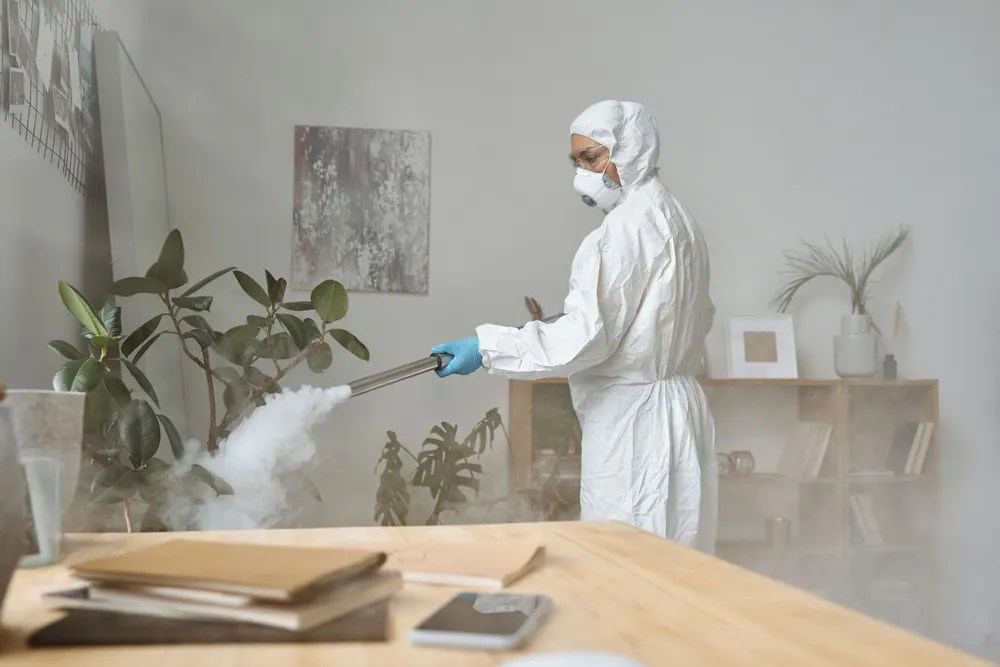
Pest control in Weltevredenpark is mostly about family-home pests: harvester termites in lawns, ants in kitchens, fleas and ticks wherever there are dogs, mice in winter and fish moths in cupboards. We treat houses and whole complexes, starting with an inspection and finishing with practical advice so the problem doesn't return.
A family suburb on the West Rand
Weltevredenpark is a large residential suburb in Roodepoort, popular with families. It has freestanding homes on good-sized stands, many townhouse and cluster complexes, schools, shopping centres and pockets of open green space and parkland. Most homes have a garden, a lawn and often a pet or two.
That family-suburb pattern sets the pest agenda. Lawns attract harvester termites and moles. Pets bring in fleas and ticks. Kitchens, school lunch boxes and pantries draw ants and mice. Complexes share gardens, roofs and walls, so pests travel easily between units.
The pests we treat most in Weltevredenpark
Harvester termites
From about May to September, lawns in Weltevredenpark develop bare, pale patches with small holes and loose soil heaps. Those are harvester termites, foraging for grass to take down into the nest. We treat the active holes so the lawn can recover with spring rain. Subterranean termites, which attack building timber, are a separate problem; our termite treatment in the Roodepoort area covers both, with a 5-year guarantee and certificate for termite work.
Ants
Ants are probably the most common everyday pest here. They come in along skirting boards, under doors and around the kitchen sink, especially before summer storms. Spraying trails only scatters them, so we use baits the workers take back to the queen. Read more on our ant control in Roodepoort page.
Fleas and ticks
Dogs and cats bring fleas home from walks and the park, and flea eggs and larvae build up in carpets, bedding and shady garden spots. Ticks follow dogs in from long grass. We treat the house and garden on the same day you treat your pets. See flea treatments in Roodepoort for how to prepare.
Mice
When winter arrives, mice move into garages, pantries and roof spaces. Droppings in drawers and gnawed food packets are the usual signs. Lockable bait stations outside and traps inside handle them.
Fish moths
Linen cupboards, bookshelves and boxes of school papers stored in garages attract fish moths. A residual treatment of cupboards and voids, plus drier, airtight storage, solves it.
Our approach for homes and complexes
For a house, we inspect the garden, roofline, kitchen, garage and cupboards, then treat what we find. For a complex, we inspect the common lawns and paving as well, because termites and ants there affect every unit. Trustees often book a single treatment of the common property plus any units with indoor problems. Everything we use is odourless and won't stain floors or furniture. Nobody needs to move out, but children and pets should stay off treated surfaces until they're dry.
Getting ready for a flea treatment
- Vacuum carpets, rugs, couches and pet bedding thoroughly just before we arrive, and empty the vacuum bag outside.
- Wash pet bedding on a hot cycle.
- Book your vet or pet shop flea treatment for the same day.
- Keep vacuuming every couple of days for two weeks afterwards; it brings out hatching fleas so the treatment can reach them.
Signs, season by season
Weltevredenpark households tend to call us at the same points in the year. In winter it's mice in the garage and the bare lawn patches of harvester termites. From September, ants start trailing indoors and wasps begin small nests under the eaves. After the first good storms, flying termites pour out of the lawn on warm evenings; that swarm is normal outdoors, but winged termites coming out of a wall, floor or door frame inside the house mean a colony is using the building, and that needs an inspection. Fleas and ticks peak through the warm, wet months.
The mistake we see most
Treating only the dog for fleas. The adult fleas on the pet are a small part of the population; most are eggs, larvae and pupae in the carpet and garden. Without treating the home, the dog is reinfested within days.
A Weltevredenpark tip
Don't leave the dog's food bowl outside overnight. It draws ants, mice and even rats, and it's one of the most common reasons we find rodent activity near back doors in this suburb.
What it costs and why
Pest control costs in Weltevredenpark depend on the pest, the size of the home and garden, and, for complexes, the size of the common property. Ants and fish moths are routine. Fleas need a thorough treatment of house and garden. For harvester termites, the area of lawn with active holes sets the price. You'll find the guide "from" prices on our pest control pricing for Johannesburg, and we'll quote after inspecting.
Weltevredenpark is covered by our Roodepoort pest control hub, and our Constantia Kloof page covers the hillside suburb nearby.
Combat Pest Control is owned and run by Jason van Heerden, who has 25 years in the business. We are SAPCA registered and hold Department of Agriculture registration under Act 36. Service is usually within 24 hours, and general treatments come with a 3-month guarantee. Call 084 200 2700 or WhatsApp us a photo of the pest.
Questions we get asked
What does pest control cost in Weltevredenpark?
That depends on the pest and the size of the home. Ants and fish moths are routine; fleas and harvester termites take more work. Our price page lists guide prices, and we confirm after a visit.
Why is my lawn going bare in winter?
If you see small holes, loose soil heaps and short pieces of cut grass, it's harvester termites. They forage most in dry, cool weather.
How soon can my pets go back on the treated floors?
As soon as the surfaces are dry, usually within a couple of hours. Keep pets in another area until then.
Why do I still see fleas after the treatment?
Flea pupae hatch over the following days and are killed when they contact the treated surfaces. Keep vacuuming; numbers should drop steadily within two weeks.
Can you treat a whole complex?
Yes. We treat common lawns, paving and gardens and any units that need indoor treatment, ideally on the same day.
Are your products safe around children?
Yes, when used correctly. Children should stay off treated surfaces until dry, and rodent baits are kept in lockable stations.