
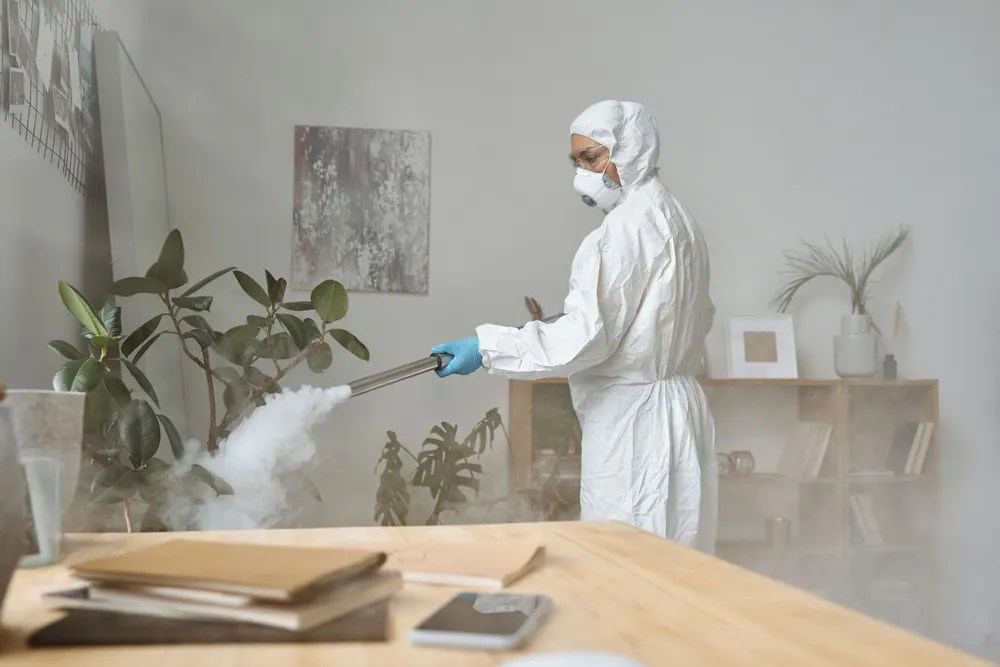
Pest control in Kokosi is mainly about rodents moving in from the surrounding farmland, German cockroaches in kitchens, bed bugs in bedrooms, flies in summer and harvester termites in yards. Combat Pest Control serves Kokosi from Johannesburg. We inspect first, treat what is actually causing the problem, and leave you with practical steps to keep it away.
Kokosi's setting
Kokosi is the township attached to Fochville, in the Merafong municipality on the far West Rand. It is surrounded by farmland and mining land, with maize fields and open grassland close by. Housing is a mix of family homes, government-built houses, backyard rooms and informal structures, with small shops, taverns and car washes along the main roads.
Being on the edge of farmland makes a real difference. When fields are harvested or ploughed, and when the veld dries out in winter, field mice and rats look for shelter and food, and the nearest houses are the obvious place to go. In summer the heat and rain bring flies and ants in large numbers. Inside, the warmth of the kitchen keeps cockroaches breeding all year round.
The pests we see most
Mice and rats
Mice squeeze through gaps the size of a pencil; rats need not much more. They come in under doors, through gaps around pipes and through openings in the roof. You'll notice droppings in cupboards, chewed bags of maize meal and noises at night. Lockable bait stations outside keep the bait away from children, dogs and chickens, and traps inside catch the ones already in the house. Read about our mouse control service for more on how this works.
German cockroaches
German cockroaches are small, light brown and quick. They hide in the warmest spots of the kitchen and spread through shared walls, secondhand appliances and boxes from shops. Gel baits placed where they hide clear them steadily, and we come back to check where needed.
Bed bugs
Bed bugs hide in mattress seams, bed bases, cracks in walls and behind skirting. Bites often appear in lines, and you may see small blood spots on sheets. A thorough treatment of every bed, plus a second visit for the eggs that hatch later, is what it takes.
Flies
Flies breed in rubbish, animal pens and rotting food. Homes near livestock, dumping spots or food stalls feel it most from spring to autumn. We treat breeding sites and resting surfaces rather than just spraying the air.
Harvester termites
The open, grassy ground around Kokosi is ideal for harvester termites. They strip grass from yards and leave small holes and loose soil. Treating active areas protects lawns and keeps them from spreading. Our termite control service explains the different species.
Signs to look out for
Rodents leave small dark droppings in cupboards and along walls, chewed corners on food bags and soap, and scratching sounds in the ceiling after dark. German cockroaches leave tiny black specks like pepper in cupboard corners and hinges, and you'll see them scatter when you switch on the kitchen light at night. Bed bugs leave rust-coloured spots along mattress seams. In the yard, bare patches of ground with small open holes and loose soil around them mean harvester termites. A clear photo of any of these sent on WhatsApp is often enough for us to tell you what you're dealing with before we visit.
A seasonal pattern worth knowing
Expect mice in autumn and winter, flies and ants from the first rains, and bed bugs and cockroaches whenever someone brings them in. Booking a rodent treatment before winter, rather than waiting until the roof is full of noise, keeps the job smaller and cheaper.
What people get wrong
A lot of people put rodent poison on open plates or scatter it around the yard. Children, pets and chickens find it before the rats do, and rodents that eat it can die in the ceiling. Bait belongs inside a locked station. It's safer and more effective, and it lets you see how much is being eaten.
A Kokosi tip
Store maize meal, chicken feed and dog food in sealed plastic or metal containers, not in open bags on the floor. Rodents coming in from the fields are looking for exactly that, and taking it away removes the main reason they stay.
How we work
We check the kitchen, bedrooms, outside rooms, the yard and any animal pens. For normal treatments you can stay at home; keep children and animals off treated surfaces until they're dry. Small shops and food sellers can book regular visits with a written service record.
What it costs and why
Three things set the price in Kokosi: which pest it is, how many rooms and outbuildings are affected, and the number of visits. A single treatment for cockroaches is a smaller job than bed bugs across several rooms, and rodent control depends on how many stations are placed and how long the activity takes to stop. Doing the house and backyard rooms together keeps the overall cost down. The guide "from" price on this page is a starting point, and the prices for our main treatments are listed in one place. If it's a small problem you can handle yourself, we'll tell you.
We also cover Fochville town and nearby Wedela, and our Gauteng pest control service page covers everything else.
Combat Pest Control belongs to Jason van Heerden, who runs it himself and has 25 years in pest control. We are SAPCA registered and registered with the Department of Agriculture under Act 36. You get service within 24 hours, and if a treated pest returns within three months, we return too. Call 084 200 2700 or WhatsApp us a photo.
Questions we get asked
How much does pest control cost in Kokosi?
The cost depends on the pest, how many rooms or buildings are involved and how many visits it takes. The guide price on this page shows the starting point; we confirm after an inspection.
Why do I get more mice in winter?
When the fields around Kokosi are harvested and the veld dries out, mice move into warm homes looking for food and shelter. Sealing gaps and storing food in closed containers helps a lot.
Is the rat bait safe with chickens in the yard?
Yes, as long as it's in a locked station. The stations keep the bait away from chickens, dogs and children.
How many visits do bed bugs need?
Usually two, about two weeks apart, so the second treatment catches the bugs that hatch from eggs after the first.
Do you treat flies at food stalls and shops?
Yes. We treat where flies breed and rest and can set up regular visits for food businesses.
Do I need to leave home?
No, not for normal treatments. Keep people and animals off treated surfaces until they're dry.