
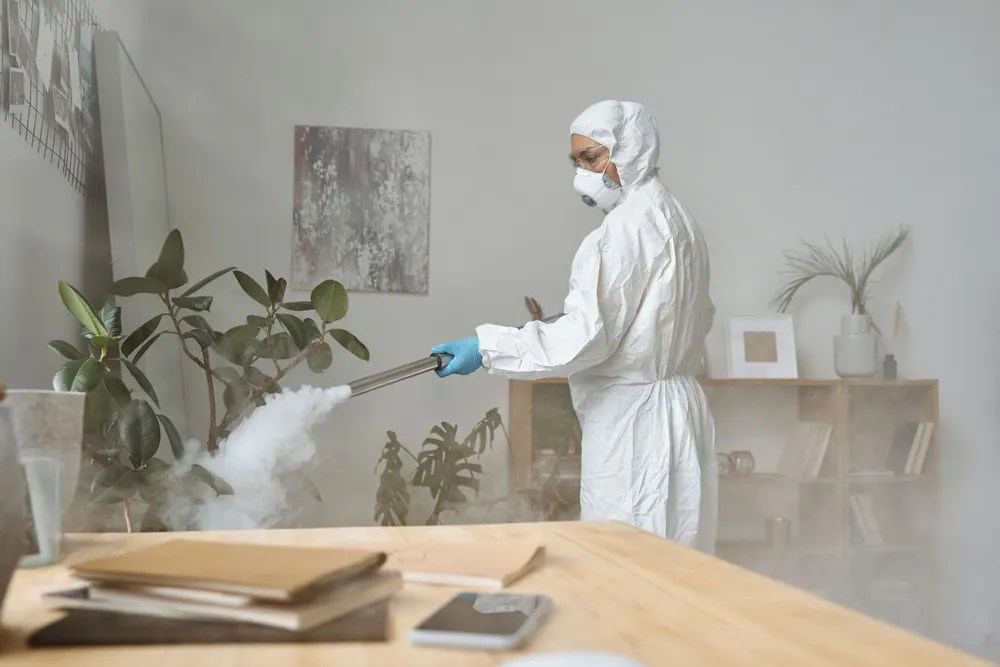
Pest control in Elardus Park often starts with the dogs. Fleas and ticks are our most common calls, followed by termites in lawns and walls, ants in kitchens, wasps under eaves and rats in winter. Combat Pest Control serves Elardus Park from Johannesburg, and we treat the house and garden together so pests don't bounce straight back.
A family suburb in Pretoria East
Elardus Park is an established residential suburb in south-eastern Pretoria, close to Moreleta Park and Erasmuskloof. Much of it was built as family housing, mostly face-brick homes on their own stands with lawns, trees, pools and boundary walls, along with some townhouse complexes. A lot of households have one or two dogs, and the gardens are well used.
Pretoria's warmer climate means the pest season is long. Fleas and ticks thrive in warm, humid summers, and insects don't slow down as much in winter as they do in Johannesburg.
Fleas: the number one call
Fleas jump onto dogs and cats from the lawn, shady flowerbeds and the spots where pets lie. Only a small share of the flea population is ever on the animal; the rest are eggs, larvae and pupae in pet beds, carpets, couches, the dog's favourite sandy patch and the gaps between paving. That's why treating the dog alone keeps failing.
The treatment that works has three parts, done in the same week:
- You treat the pets through your vet.
- We treat the inside of the house, especially carpets, under furniture and pet sleeping areas.
- We treat the garden, focusing on shady areas, kennels and where the dogs lie.
Vacuuming well before we arrive and for a couple of weeks afterwards helps lift eggs and larvae. Our flea treatments for homes with pets page explains the steps in more detail.
Ticks in the garden
Ticks wait in long grass, along walls and around kennels for a passing dog. Some carry biliary and other tick-borne diseases that can make a dog seriously ill, so they're more than a nuisance. Keeping the lawn short and treating the areas where dogs rest, along with vet-prescribed tick control, keeps numbers down. See tick control for more.
The other pests on our list
Termites
Harvester termites cut and carry lawn grass underground in dry winters, leaving bare patches with small holes. Subterranean termites can work up from the soil into door frames and built-in cupboards, especially where flowerbeds are built up against the walls.
Ants
Ants are drawn indoors by pet food bowls, sugar and water. Feeding the pets at set times and lifting the bowls afterwards cuts down on ant trails, and baits destroy the nest.
Wasps
Paper wasps nest under eaves, in pergolas and around pool pumps. A nest near the back door or the pool is a real risk for children and anyone allergic, and we remove them safely.
Rats
Rats come for dog food left outside overnight, compost and fallen fruit. We bait in lockable stations that dogs can't open, placed where pets don't usually go.
How we treat with pets at home
Pets are part of the family, and we plan around them. We'll ask you to keep dogs and cats inside or in a closed area while we treat the garden, and away from treated surfaces until they're dry. Our sprays are odourless and non-staining. Bait stations are locked. You don't need to leave the house for normal insect treatments.
The most common mistake
Putting a flea collar on the dog and stopping there. A collar or tablet helps protect the dog, but the eggs already in the house and garden keep hatching for weeks, so the problem seems to come back. Treating the environment at the same time is what finishes it.
An Elardus Park tip
Wash pet bedding in hot water and dry it in the sun every week while you're dealing with fleas. The bedding is where most eggs collect, and regular washing removes them before they hatch.
What it costs and why
A flea or tick treatment for a house and garden is priced by the size of the property and whether we're treating inside, outside or both. General insect treatments are modest jobs. Termite work depends on which termite it is and how much of the lawn or building is involved. You'll see a guide "from" price on this page, and our pest control guide prices have the rest. If a few vet treatments and a good vacuum will do it, we'll tell you.
We also work in Erasmuskloof and Moreleta Park, and every service we offer is on our pest control Johannesburg page.
Jason van Heerden, the owner, runs Combat Pest Control and has a quarter of a century in the trade. We are SAPCA registered and registered with the Department of Agriculture under Act 36, we can usually be there within 24 hours, and general treatments carry a 3-month guarantee. Call 084 200 2700, or WhatsApp us and tell us what's biting.
Questions we get asked
How much does flea treatment cost for a house and garden?
It depends on the size of the property and whether we treat inside, outside or both. The guide price on this page shows where treatments start, and we confirm the price once we know the property.
Why do the fleas keep coming back after I treat my dog?
Because most fleas are in the house and garden as eggs and larvae. They keep hatching for weeks unless the environment is treated at the same time as the pets.
Is the treatment safe for my dogs and cats?
Yes, when the instructions are followed. Keep pets inside or in a closed area during the garden treatment and off treated surfaces until they're dry.
Should I vacuum before you come?
Yes. Vacuum carpets, couches and pet beds thoroughly before the treatment and throw the bag away. Keep vacuuming for a couple of weeks afterwards.
How long does a flea treatment last?
Our general treatments carry a 3-month guarantee. Keeping pets on vet-prescribed flea control helps it last.
Can you remove a wasp nest near my pool?
Yes. We treat and remove the nest safely, usually early in the morning or in the evening when the wasps are less active.