
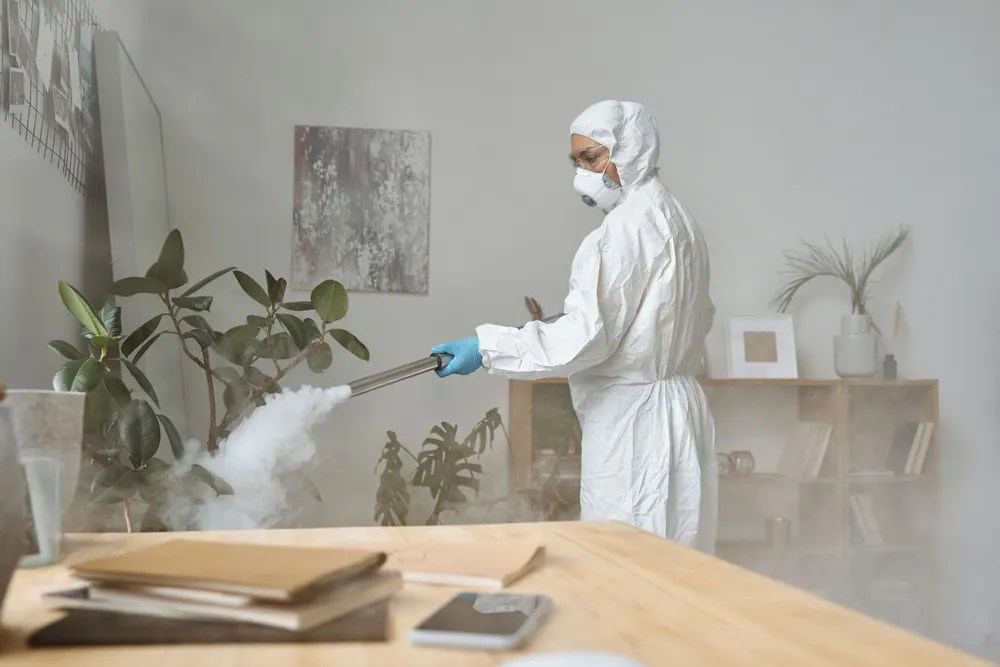
Pest control in Crocodile River plots and smallholdings is farm-style work: rats and mice in feed rooms and chicken runs, flies around stables and manure, ticks on dogs and horses, harvester termites in dry paddocks, and wasps and scorpions around outbuildings. Combat Pest Control drives out from Johannesburg, walks the whole plot and treats the sources, not just the house.
Plot life on the river
The Crocodile River runs north-west of Johannesburg through farmland and smallholdings on its way towards Hartbeespoort, and the plots along it range from a family home with a few horses to working farms, nurseries and guest venues. They share some things in common: big pieces of land, open veld on every side, outbuildings and stores, animals and their feed, and water from the river, boreholes and dams.
That makes pest control on a plot very different from a suburban garden. There's no neighbour's wall keeping anything out, and a pest problem usually starts in a feed shed, a stable or a pile of old materials behind the garage long before it reaches the kitchen.
The pests that matter on a smallholding
Rats and mice in feed and grain
Horse feed, chicken pellets, dog food and stored grain are a banquet for rodents. Rats tunnel under feed rooms and chicken runs, and mice nest in hay bales, tack rooms and roof spaces. They spoil far more feed than they eat, chew through electrical wiring and irrigation pipe, and bring fleas and disease with them. We set lockable, tamper-resistant bait stations along the routes they use, placed where dogs, horses, poultry and wildlife can't get at the bait. Our rodent control service explains the method in more detail.
Flies around animals
Where there are horses, cattle or chickens, there's manure, and where there's manure in summer, there are flies. House flies and stable flies breed in damp bedding, manure heaps and spilled feed. The real fix is management: moving manure away from stables regularly, keeping bedding dry and covering compost. We treat the resting surfaces where flies gather, and our fly control page sets out what else helps.
Ticks from the veld
Long grass, game and livestock mean ticks, and dogs on a plot pick them up constantly. Ticks also hide in kennels, around walls and in the lawn near the house. Treating the yard and kennel areas at the same time as the dogs are treated through your vet breaks the cycle.
Harvester termites in paddocks and lawns
In a dry Highveld winter, harvester termites cut grass and carry it underground, leaving bare patches with small holes and soil heaps. On a smallholding that means lost grazing as well as an ugly lawn. We treat the active nest openings so the colony carries the product down.
Wasps, scorpions and snakes' food
Paper wasps nest under stable eaves, in carports and in old equipment. Scorpions shelter in stone walls, rock piles and building rubble. And rodents in outbuildings attract snakes, which is one more reason to keep the rat population down.
How we treat a plot
- Walk the land. We look at feed stores, stables, chicken runs, kennels, sheds and the house, and note where activity is heaviest.
- Find the food and shelter. Open feed bins, piles of old timber and roofing, and gaps under doors are usually the cause.
- Treat with animals in mind. Bait stays locked inside stations, sprays go only where they're needed, and we'll tell you which areas animals should stay out of and for how long.
- Follow up. Plots with heavy rodent pressure need repeat visits or a regular service with a record of each station.
The mistake that costs smallholders the most
Leaving feed in bags on the floor. Rats chew straight through bags and breed under them. Steel bins with tight lids, or a raised, sealed feed room, cut the rodent population faster than any amount of poison.
A Crocodile River tip
Clear the strip along the outside of the feed room and stables. Keep the grass short and move stacked materials away for at least a metre or two, so rats have to cross open ground to reach the building. Owls and other predators do the rest.
What it costs and why
On a plot, the price depends mostly on the number of buildings and how many bait stations the site needs, plus whether we're also treating flies, ticks, termites or the house itself. A single house on a plot costs much the same as a suburban home; a working smallholding with stables and poultry is a bigger job and is usually best on a regular service. This page shows a guide "from" price, and the Combat price list has more. We quote after walking the property.
We also work on plots around Muldersdrift and Hekpoort, and the full list of what we treat is on our Johannesburg pest control page.
Jason van Heerden owns and operates Combat Pest Control and brings 25 years of experience to every job. We are a SAPCA member and registered with the Department of Agriculture under Act 36 of 1947, we offer service within 24 hours, and general treatments carry our 3-month guarantee. Call 084 200 2700, or WhatsApp us a photo of the droppings, the bare patches or the insects.
Questions we get asked
How much does pest control on a smallholding cost?
It depends on how many buildings there are, how many bait stations the site needs and which pests we're treating. A house on a plot is similar to a suburban home; a working smallholding is more. There's a guide price on this page and we quote after walking the plot.
Is rat bait safe around horses, dogs and chickens?
Yes, when it's kept inside lockable, tamper-resistant stations placed where animals can't reach them. We never scatter loose bait on a plot.
Do you travel out to the Crocodile River area?
Yes. We serve the area from Johannesburg and offer service within 24 hours.
How do I get rid of flies around my stables?
Start with manure and bedding: remove it regularly and keep it dry. We then treat the surfaces where flies rest. Treatment without better manure management only gives short relief.
Can you treat ticks in the yard?
Yes. We treat kennels, walls, the lawn and other areas where ticks wait for a host, while you treat your dogs through your vet at the same time.
Will snakes go away if the rats are gone?
Often, fewer snakes come around once rodents are under control, because there's less food. We don't remove snakes, though; for that you'd need a snake handler.
Can we get a regular service for the plot?
Yes. We set up scheduled visits with a record of every bait station, which suits stables, nurseries and guest venues.