
Pest control in Lynnwood Ridge is often about what comes in from the rocky ground and open land around it: scorpions and spiders on summer nights, mice in autumn, ants before the rain and harvester termites in lawns. Combat Pest Control serves Lynnwood Ridge from Johannesburg, and we treat the outside of the home first, because that's where these pests start.
What makes Lynnwood Ridge different
Lynnwood Ridge is a residential suburb in Pretoria East, near Lynnwood Manor and Murrayfield. As the name suggests, parts of it sit on higher, rockier ground, and some properties back onto open land or rocky slopes. Homes are mostly freestanding, with rockeries, retaining walls and established gardens, and a few complexes in between.
Rocky ground is ideal habitat for scorpions, spiders and centipedes, which shelter under stones by day and hunt at night. Open land around the suburb is home to mice and harvester termites. Rockeries, stone walls and stacked paving in gardens give all of them a convenient halfway house between the veld and your kitchen door.
The pests we deal with on the ridge
Scorpions
Scorpions come out on warm summer nights and get into homes under doors, through gaps in sliding doors and through drains. They hide in shoes, towels and laundry left on the floor. Most local species give a painful rather than dangerous sting, but nobody wants them in a child's bedroom. We apply a barrier treatment around the house, treat rockeries and walls where they shelter, and show you where to fit door seals. Our scorpion control page explains the approach.
Spiders and centipedes
Rain spiders, sac spiders and others move indoors in summer, and centipedes come in after rain. The same outside barrier that stops scorpions brings these numbers down too, and clearing webs and clutter in garages and storerooms helps.
Mice
Mice from open ground move into garages, pantries and roof spaces as soon as the nights cool in autumn. Lockable bait stations outside, traps inside and sealing the gaps keeps them out.
Ants
Ants nest under rocks, paving and lawns and come indoors before summer storms. Baits carried back to the nest clear the colony. More on our ant treatments for Gauteng homes.
Harvester termites
Bare patches in the lawn with small open holes and loose soil heaps are the work of harvester termites, especially near open land. We treat the active areas and tell you what to watch for.
Night-time checks
Scorpions glow under ultraviolet light, which makes them easy to find at night with a small UV torch. A walk around the outside walls, rockeries and patio on a warm evening shows you how many there are and where they're coming from. It's a useful thing to do before and after a treatment.
The mistake we see most
People spray inside the house when they find a scorpion in the bathroom. Scorpions live outside, though, and the indoor spray does little except make the house smell. The barrier needs to be on the outside of the walls, around doors and along the rockeries where they actually live.
A Lynnwood Ridge tip
Move rockeries, stacked bricks, firewood and loose paving at least a metre away from the house walls, fit brush seals under outside doors and keep drain covers in place at night. Taking away the shelter right next to the house does more to keep scorpions out than any single treatment.
How a visit works
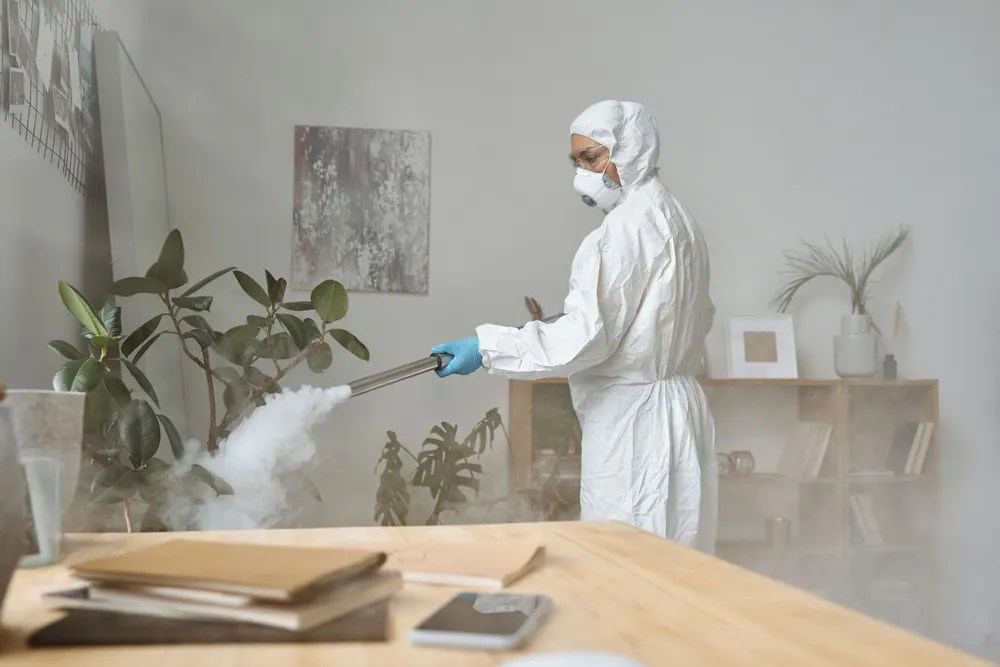
We walk the outside of the house, rockeries, walls and garden, then check the garage, storerooms and kitchen. Our barrier treatments are odourless and non-staining, and you can stay inside while we work; children and pets just need to stay off treated surfaces until they're dry. Complexes can book a scheduled service for common areas.
Through the year
Scorpions, spiders and centipedes peak from October to March. Ants and termites become active with the first warm, humid days and winged termites swarm after the first storms. Mice start moving in from about April. A barrier treatment in early spring sets you up for summer, and rodent proofing in early autumn sets you up for winter.
What it costs and why
The cost depends on the size of the house and garden, how many rockeries and walls need treating, and which pests are involved. A barrier treatment for scorpions and spiders is priced on the perimeter and garden area. Mouse control depends on the number of stations. Lawn termite treatment depends on how much of the lawn is affected. Doing the barrier and lawn treatments in one visit is cheaper than two separate trips. There's a guide "from" price on this page, and our Johannesburg pest control price guide lists the rest.
We also cover Murrayfield and homes in Lynnwood Manor, and you'll find our full service list on our pest control in Johannesburg page.
Combat Pest Control is owned and operated by Jason van Heerden, who has worked in pest control for 25 years. The company is SAPCA registered and registered with the Department of Agriculture under Act 36. We aim to have someone with you within 24 hours, and general treatments come with a 3-month guarantee. Call 084 200 2700 or WhatsApp a photo of the scorpion or spider for identification.
Questions we get asked
How much does scorpion and general pest control cost in Lynnwood Ridge?
It depends on the size of your house and garden and how many rockeries and walls need treating. The guide price on this page is the starting point, and we quote after seeing the property.
Are Lynnwood Ridge scorpions dangerous?
Most local scorpions give a painful sting rather than a dangerous one. If anyone is stung and reacts badly, especially a child, get medical help.
How do I tell which scorpions are more dangerous?
As a rule of thumb, scorpions with thick tails and thin pincers tend to be more venomous than those with big pincers and thin tails. Send us a photo if you're unsure.
How long does a barrier treatment last?
It keeps working for several weeks to a few months, depending on rain and sun. General treatments carry a 3-month guarantee.
Is the treatment safe for children and pets?
Yes, when used correctly. Keep them off treated surfaces until dry, and rodent bait stays in locked stations.
Why do I get more spiders after rain?
Rain floods their hiding places and brings out the insects they hunt, so they move into houses and garages. An outside barrier treatment helps.
What should I do before the treatment?
Pull rockery plants back if you can, move firewood and bricks away from walls, and clear the floor of the garage and storeroom so we can reach the edges.